With the rapid growth of the vape and cannabis industries, child safety has become one of the most critical concerns for brands, regulators, and consumers alike. Child-resistant packaging boxes are now widely used for vape cartridges, disposable vape pens, and cannabis-derived products — but many people still ask the same fundamental question:
Are child-resistant packaging boxes really child proof?
In this in-depth guide, we’ll clarify what child-resistant packaging truly means, how safe it is for vape products, which age groups it is designed to protect, and what actions brands should take if a child manages to open child-resistant packaging.
Drawing on packaging compliance standards and manufacturing experience, this article will help vape brands, distributors, and retailers make informed, responsible decisions.
Table of Contents
3. What Age Group Should Child-Resistant Packaging Prevent Access For?
6. Why Choose LeaflyPackaging for Child-Resistant Vape Boxes
1. Are Child-Resistant Packaging Boxes Really Child Proof?
The short answer is: No — child-resistant packaging is not the same as child-proof packaging.
This distinction is extremely important, both legally and practically.
Child-Resistant vs. Child-Proof: Understanding the Difference
Child-resistant packaging (often abbreviated as CR packaging) is designed to significantly reduce the likelihood that children can access potentially harmful products. However, it does not guarantee absolute prevention.
Regulatory bodies such as the U.S. Consumer Product Safety Commission (CPSC) intentionally avoid the term “child-proof” because no packaging can be 100% secure under all conditions.
Instead, child-resistant packaging must meet specific performance criteria, typically defined by standards such as:
16 CFR §1700 (United States)
ISO 8317 (International standard)
Under these standards, packaging is considered child-resistant if:
At least 85% of children under five years old cannot open it within a specified time
A high percentage of adults can open and properly close it
This balance ensures safety without making the packaging unusable for adults.
Why “Child Proof” Is a Misleading Term
Calling packaging “child-proof” implies zero risk, which is unrealistic and legally risky. Even the most advanced child-resistant vape packaging can eventually be opened by a determined child, given enough time or improper storage.
For this reason, responsible vape brands always combine compliant packaging with clear warning labels and consumer education.
2. How Safe Is Child-Resistant Vape Packaging?
Child-resistant vape packaging is highly effective when designed, tested, and used correctly — but its safety depends on multiple factors.
Packaging Mechanism Design
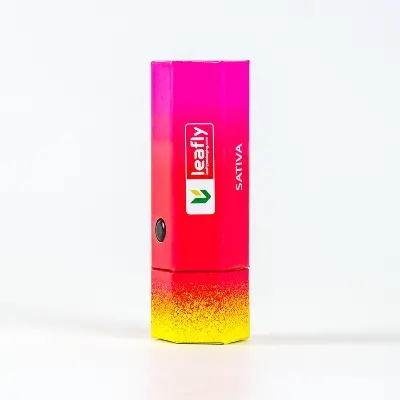
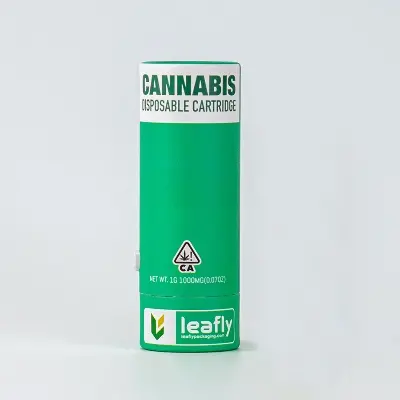
The safety level of a child-resistant vape box largely depends on the opening mechanism. Common CR mechanisms include:
Push-and-slide systems
Press-button release tabs
Hidden locking trays
Dual-action magnetic closures
These mechanisms require coordinated actions or specific strength and dexterity that most young children lack.
Material Strength and Structural Integrity
High-quality child-resistant packaging uses durable paperboard, reinforced inserts, or rigid box structures that resist tearing, bending, or crushing.
Weak materials can compromise safety, allowing children to bypass the intended opening mechanism entirely.
Proper Adult Use Matters
Even the safest child-resistant vape packaging can fail if:
The box is not fully closed after use
The locking mechanism is damaged
The product is stored within a child’s reach
Child-resistant packaging works best as part of a broader safety system — not as a standalone solution.
3. What Age Group Should Child-Resistant Packaging Prevent Access For?
Most child-resistant packaging standards focus on a specific age group:
Children Under Five Years Old
According to CPSC and ISO testing protocols, child-resistant packaging must prevent access by the majority of children aged 42 to 51 months.
This age group is selected because:
They are mobile and curious
They frequently explore objects by opening or biting
They lack the coordination for multi-step actions
Why Not Older Children?
Children above the age of five generally develop improved problem-solving skills, hand strength, and patience. No packaging can realistically prevent access by all older children without becoming unusable for adults.
That’s why regulations focus on risk reduction for the most vulnerable age group rather than absolute prevention for all ages.
The Role of Parental Responsibility
Child-resistant vape packaging is designed to delay access, not replace responsible storage. Parents and caregivers should always:
Store vape products out of sight and reach
Re-secure packaging after each use
Educate older children about product dangers
4. What If a Child Opens Child-Resistant Packaging?
Despite best efforts, there may be rare situations where a child successfully opens child-resistant packaging. When this happens, immediate and long-term actions are essential.
Immediate Steps for Consumers
Remove the product from the child immediately
Check for ingestion or exposure
Contact poison control or medical professionals if needed
What Brands Should Do
From a brand and manufacturer perspective, incidents should never be ignored.
Responsible actions include:
Investigating packaging integrity and mechanism failure
Reviewing compliance testing documentation
Improving design or materials if weaknesses are identified
Continuous Improvement Is Key
Leading packaging manufacturers treat child safety as an evolving challenge. Design improvements, usability testing, and feedback loops help minimize risk over time.
5. Brand Responsibility and Best Practices
Child-resistant packaging is not just a legal requirement — it is a brand responsibility.
Clear Labeling and Instructions
Well-designed CR vape boxes include:
Visual opening instructions
Clear warning statements
Compliance markings where applicable
Compliance Testing and Certification
Brands should work with packaging suppliers that:
Understand 16 CFR and ISO 8317 standards
Provide test reports or certification support
Design packaging specifically for regulated products
Balancing Safety and Adult Accessibility
The best child-resistant vape packaging balances safety with usability — especially for seniors or adults with limited hand strength.
Thoughtful design ensures safety does not come at the expense of customer satisfaction.
6. Why Choose LeaflyPackaging for Child-Resistant Vape Boxes
LeaflyPackaging is a leading packaging manufacturer with a global presence, partnering with international brands across regulated industries.
Our child-resistant packaging solutions are designed with:
Regulatory awareness
Structural durability
User-friendly opening mechanisms
Premium customization options
From folding cartons to luxury rigid boxes, we help vape brands meet safety expectations while maintaining strong brand identity.
Custom Solutions for Regulated Markets
We support brands across:
Vape and cannabis packaging
Pharmaceutical and wellness products
International compliance requirements
Conclusion: Are Child-Resistant Packaging Boxes Really Safe?
Child-resistant packaging boxes are not child-proof — but they are a proven, effective safety measure when properly designed, tested, and used.
For vape products, child-resistant packaging:
Significantly reduces accidental child access
Meets regulatory expectations
Demonstrates brand responsibility
Safety is strongest when packaging, education, and responsible storage work together.
Ready to Upgrade Your Child-Resistant Vape Packaging?
If you’re looking for compliant, high-quality, and customizable child-resistant vape packaging boxes, LeaflyPackaging is here to help.
Contact our packaging experts today to discuss your product requirements, customization options, and safety goals.
Build safer packaging. Protect your brand. Protect your customers.