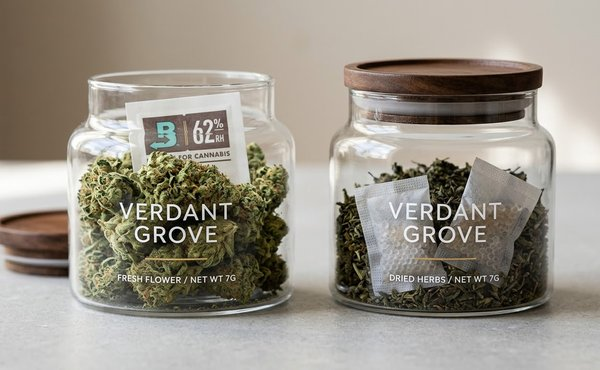
Introduction
Walk into a dispensary and watch a customer. Eight seconds. That's how long they spend deciding between your jar and your competitor's. Reach for that one. Skip that one.
What drives that split-second choice? 72% of cannabis consumers say packaging design influences their purchase. 63% say packaging quality determines whether they'll buy from that brand again (RXDco, 2025). The cannabis packaging market sits at $2.6 billion in 2025, projected to hit $11.3 billion by 2032 — a 23.3% CAGR. The brands that capture that growth are the ones treating packaging as a revenue driver, not a compliance cost.
Five levers turn packaging into a sales engine: the data behind the ROI, the psychology of shelf appeal, design principles that build differentiation, compliance as a trust signal, and the math that makes premium pricing work.
1. The Data Doesn't Lie — Packaging Drives Revenue
1.1 What the 72% Actually Means
That 72% figure comes from a 2025 RXDco consumer survey. But the aggregate hides breakdowns worth paying attention to:
First-time buyers are disproportionately swayed by packaging (estimated 78%+). They have no prior experience with the product, so the package is all they have.
Medical patients prioritize label clarity and dosing information. For them, functional design = trust.
Recreational users respond more to aesthetics, branding, and shelf appeal.
If your packaging needs to work for both segments — and most brands do — you need a design that communicates clinical clarity and lifestyle desirability at the same time. That's harder than it reads on paper, and few brands get it right.
1.2 The 63% Repurchase Link
Packaging doesn't just sell once. 63% of consumers say packaging quality directly affects whether they repurchase the same brand. The reasoning is straightforward: packaging is the only extended physical interaction most consumers have with your brand. They carry it home. They handle it. They store it. If the bag tears, the label peels, the jar doesn't seal — that tactile disappointment rewrites whatever positive experience the product delivered.
A well-designed package — satisfying to open, easy to reseal, pleasant to hold — creates a loop. The consumer associates the product with that small daily satisfaction. That is how brands get built.
1.3 Social Sharing Multiplier
In 2026, a package that photographs well is a marketing channel. Industry data suggests photogenic packaging increases social shareability by 60x. A jar that looks good on a coffee table generates impressions paid media can't touch. Brands using smart features (QR codes, NFC tags) see 5–7x more social mentions than brands with plain packaging.
If your packaging doesn't look good in an Instagram photo, you are leaving organic reach on the floor.
2. The Psychology of the Shelf — Why Design Converts
2.1 The 8-Second Decision Window
Dispensary shopping is not grocery shopping. In a grocery store, a customer might compare products for 30 seconds. In a dispensary — especially busy ones — average dwell time per product is under 8 seconds.
Within that window, the consumer's eye scans in order:
Logo and brand name — "Do I know this?"
Strain name and type — "Is this what I want?"
THC/CBD potency — "Is this strong enough?"
Visual design — "Does this look appealing?"
The design must guide the eye through that sequence without confusion. If the strain name prints smaller than a decorative graphic, the consumer moves on. Every element that doesn't serve this hierarchy is noise. Noise loses sales.
2.2 Color Psychology in Cannabis
Sophisticated color palettes command 25–40% higher selling prices. Yet much of the cannabis industry still defaults to the "green leaf" cliché — dark greens, orange accents, botanical illustrations. That visual language was distinctive in 2018. In 2026, it's the default. And default means invisible.
The brands winning on the shelf borrow from outside the category:
Luxury skincare (soft pastels, muted earth tones, minimalist typography) — signals premium quality and wellness.
Whisky and spirits (deep jewel tones, foil stamping, embossed labels) — signals craftsmanship.
Streetwear drops (bold colors, limited-edition numbering, artist collaborations) — signals exclusivity.
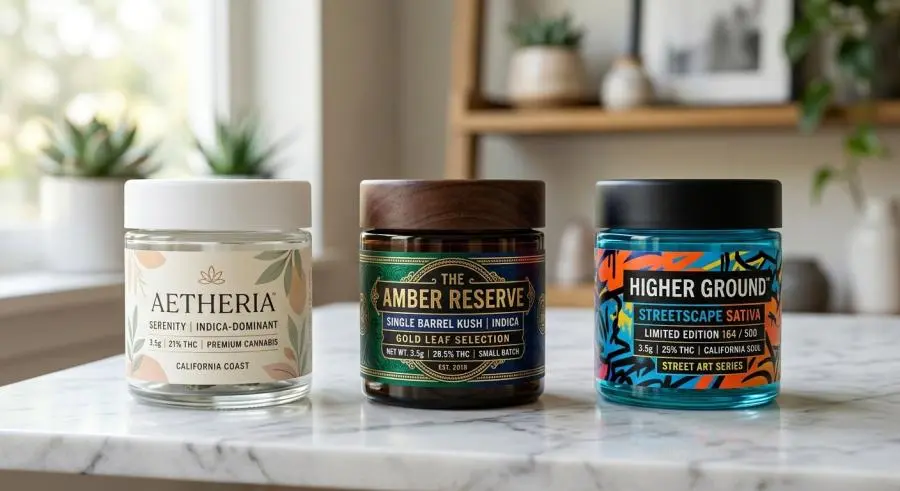
Color coding by strain family (blue for indica, red for sativa, green for hybrid) builds a recognition system that speeds buying decisions across SKUs. Sounds obvious. Many brands still don't do it, forcing shoppers to read every label.
2.3 Tactile Signals = Quality Signals
Touch is the most underused sense in packaging design. When a consumer picks up a package, they are subconsciously asking: "Does this feel valuable?"
Soft-touch matte finishes — the same language as high-end cosmetics and electronics.
Embossing and debossing — raised logos you feel before you see.
Foil stamping — catches light, creates hierarchy. Used sparingly. Overuse reads as cheap.
Sensory packaging (texture, opening sound, scent) increases perceived value by up to 40%. A package that feels expensive makes the product feel expensive. The reverse holds: a flimsy, thin-walled jar devalues whatever is inside, regardless of actual quality.
3. Shelf Presence — Stand Out Without Screaming
3.1 Quiet Flex vs. Bold Statement
By 2026, the cannabis packaging market has split into two winning visual strategies. The "messy middle" is losing.
| Strategy | Aesthetic | Best For | Example |
|---|---|---|---|
| Quiet Flex | Minimalist, restrained, Aesop-like | Premium flower, wellness brands | Muted earth tones, single logo, generous whitespace |
| Bold Statement | Streetwear-drop energy, collectible | Limited editions, vape brands | Artist collaborations, numbering, vibrant accent colors |
Quiet flex says "the product is so good it doesn't need to shout." Bold statement says "this drop won't last." Both work. The middle ground — loud gradients, cluttered information, inconsistent hierarchy — does not.
3.2 Custom Shapes and Structural Design
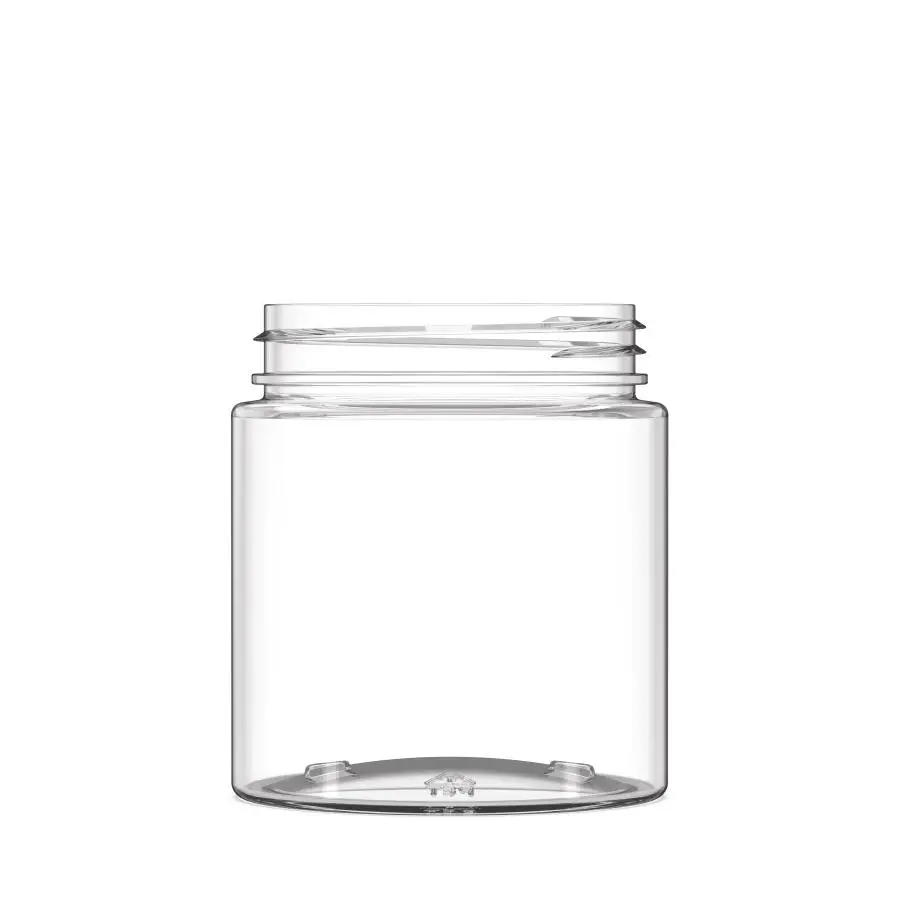
Standard packaging (cylindrical jars, flat pouches) is a commodity. Custom structures are where differentiation lives. Data from NewRoundPkg (2026) reports custom-branded packaging achieves 85% higher shelf recognition than generic formats.
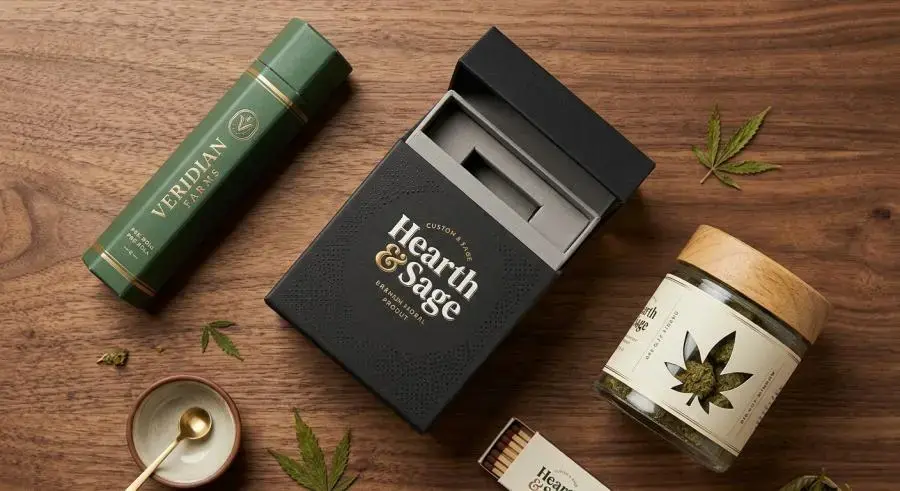
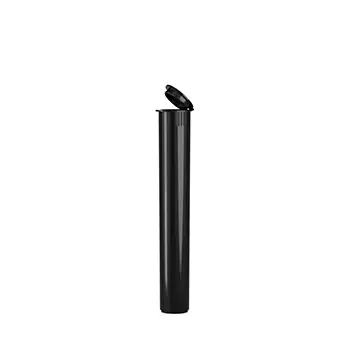
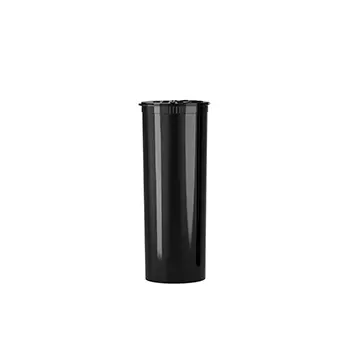
Think about: - Custom pre-roll tube molds — oval, hexagonal, or triangular profiles in a sea of cylinders. - Magnetic closure rigid boxes — the thunk of a magnet creates an instant premium cue. - Die-cut windows — flower visible through a precision-cut aperture says "look at what's inside."
Structural design must also work with dispensary shelving realities. Products displayed upright (like bottles on a bar) get more visual attention than products laid flat. A package that stands on its own — literally — has an advantage before the consumer even reads the label.
3.3 Whitespace and Legibility
Harsh dispensary lighting — fluorescent or bright LED — kills low-contrast designs. A label that looks elegant on a phone screen can wash out under 4,000K shelf lighting.
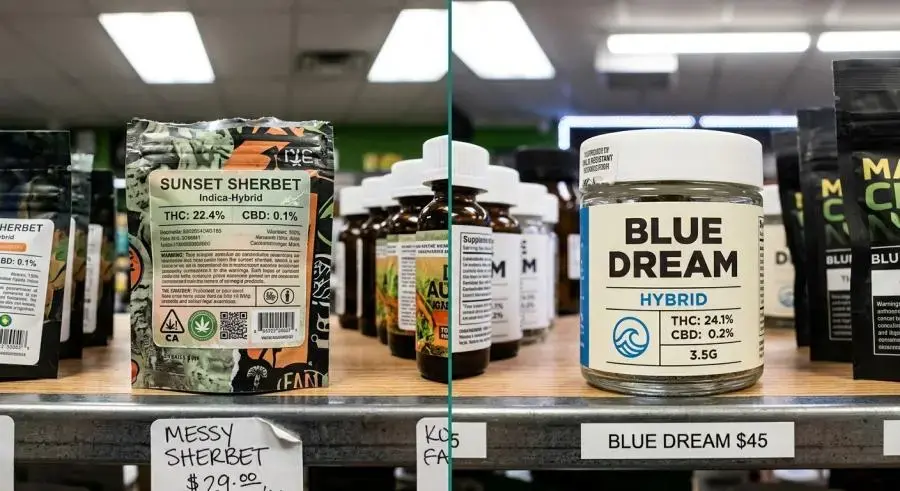
Three legibility rules: - Body text no smaller than 8pt. Many jurisdictions mandate this for warnings. Apply the same discipline to brand copy. - High contrast or nothing. Light text on dark background works. Light gray on white does not. - Two typefaces max. Display font for headlines. Clean sans-serif for body. Done.
The best cannabis packaging in 2026 treats compliance information (THC content, warnings, ingredients) as part of the design grid — not as afterthought stickers. When a warning label is a scannable QR code linked to a full COA instead of a dense paragraph, consumers actually read it. That builds trust.
4. Building Trust Through Smart Compliance Design
4.1 Child-Resistant as a Brand Asset
For years, child-resistant (CR) packaging was framed as a cost burden — an ugly regulatory necessity. The data says otherwise: 78% of consumers say clear compliance features increase brand loyalty.
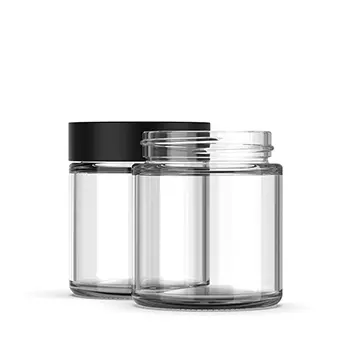
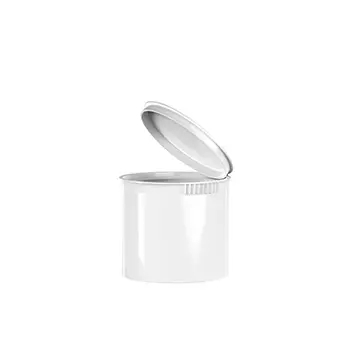
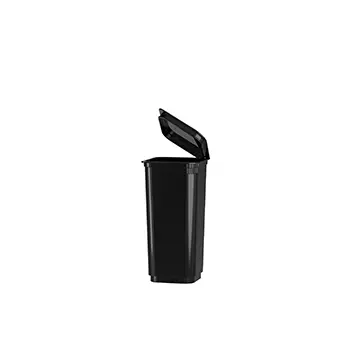
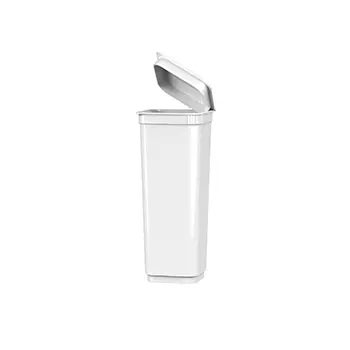
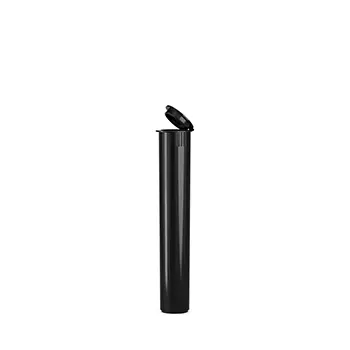
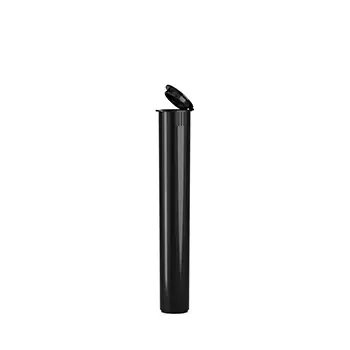
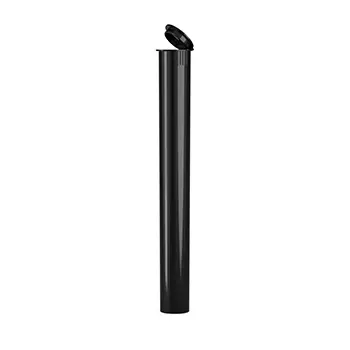
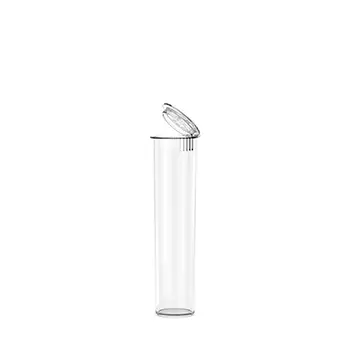
When a CR mechanism feels intentional — well-engineered, easy for an adult to operate — it signals that the brand cares about safety without compromising the user experience. Push-and-turn jar closures, squeeze-and-slide resealable pouches, button-release pre-roll tubes — executed well, these become part of the brand experience rather than an obstacle.
The brands that lose treat CR as a checkbox: a standard jar with a standard cap that requires unreasonable force. That frustration — fumbling with a lid at home — gets associated with the brand, not with the regulation.
4.2 QR Codes and Transparency
QR codes on cannabis packaging have moved from novelty to expectation. There is a right way and a wrong way.
| Approach | Scan Rate | User Sentiment |
|---|---|---|
| Generic "Learn more" CTA | < 5% | Neutral |
| Specific "View this batch test results" CTA | ~12% | Positive |
| NFC tap for authentication + story | 18-25% | Highly positive |
The winner is action-oriented specificity. A QR code labeled "See where this flower was grown" linking to a farm photo gallery converts better than "Learn more" linking to a homepage. A code revealing the terpene profile of a specific batch feels like value, not marketing.
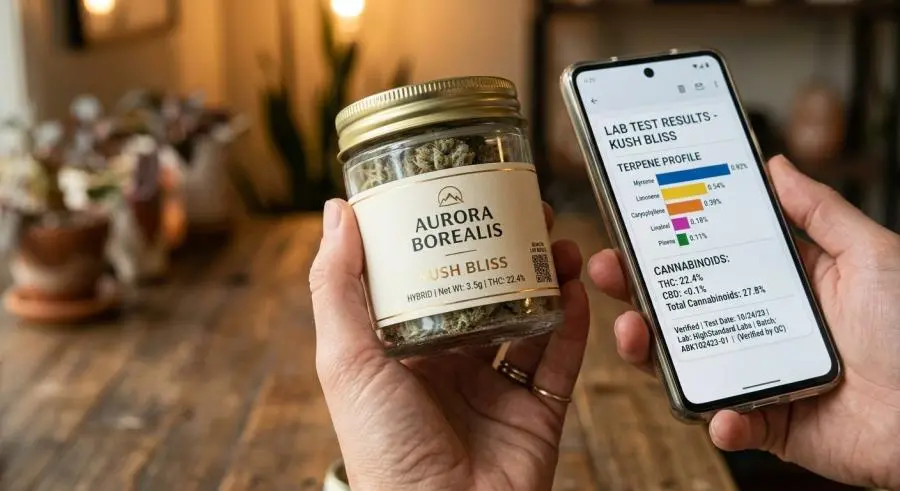
NFC tags — at $0.07–$0.35 per unit — enable instant authentication, batch verification, and interactive storytelling. For premium products, this is becoming table stakes, not a differentiator.
5. Calculating the ROI of Better Packaging
5.1 The Price Premium Math
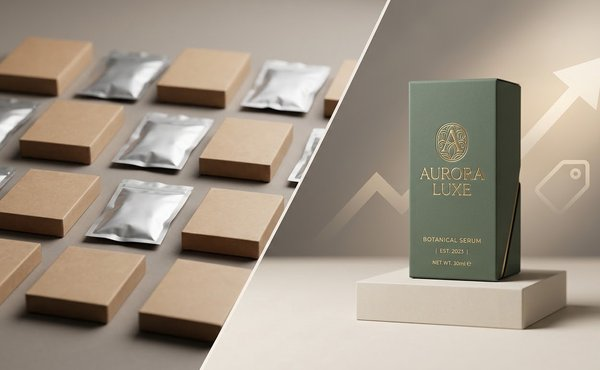
The clearest financial argument for upgrading packaging is the premium it commands at retail. Across multiple consumer surveys, brands investing in custom molds, premium finishes, and thoughtful structural design consistently achieve 25–40% higher price points than functionally equivalent products in standard packaging.
Costs vary by format:
| Format | Unit Cost (10K qty) | Typical Retail | Packaging % of Retail |
|---|---|---|---|
| Standard Mylar pouch | $0.18–$0.45 | $25–$40 | 0.7–1.4% |
| Child-resistant tube | $0.28–$0.85 | $15–$30 | 1.6–3.7% |
| Glass jar + label | $0.60–$1.80 | $35–$60 | 1.3–3.9% |
| Premium rigid box | $1.10–$3.50 | $50–$80+ | 1.8–5.2% |
Industry benchmark: packaging should run 3–8% of retail price. A premium rigid box at $2.50 on a $65 product comes to 3.8% — well within range — and supports a price point a Mylar pouch could not credibly ask for.
5.2 Long-Term Value: Retention + Word-of-Mouth
The ROI math doesn't end at the first sale. Several factors compound:
Consistent packaging drives 23% higher retention. Changing designs frequently confuses consumers and erodes brand recall.
Reusable packaging — tins, Glass Jars, rigid boxes that consumers keep — extends brand presence into homes for months or years.
Social sharing from photogenic packaging generates free impressions. A package that generates 10 social posts, each seen by 200 followers, produces 2,000 earned impressions per unit.
Factor these in, and a $0.50 per-unit packaging upgrade frequently returns $2.00–$3.00 in incremental value through higher pricing, increased retention, and organic reach.
Conclusion
The data is straightforward: in a cannabis market maturing faster than almost any consumer goods category in recent memory, packaging is not a cost center. It is a revenue driver.
Five levers determine whether your packaging is winning at the shelf:
Data-driven design — build around the 72/63 consumer behavior data
Psychological precision — color, texture, and hierarchy are persuasion, not decoration
Shelf differentiation — pick quiet flex or bold statement, and commit
Compliance as trust — CR features and QR transparency build loyalty, not just box-checking
ROI math — premium packaging delivers 25-40% higher prices and compounds through retention and sharing
Audit your current packaging against these five levers. In a market where product differentiation narrows every quarter, your package may be your last real competitive advantage. Make it count.
References
IMARC Group. (2026). Cannabis Packaging Market Report 2026-2034. https://www.imarcgroup.com/cannabis-packaging-market
Research and Markets. (2026). Cannabis Packaging - Global Strategic Business Report 2026. https://www.researchandmarkets.com/reports/6069464/cannabis-packaging-global-strategic-business
NewRoundPkg. (2026). More Than a Bag: How Custom Weed Packaging with Logo Builds Your Brand. https://www.newroundpkg.com/custom-weed-packaging-builds-brand/
Cannabis Promotions. (2026). 2026 Cannabis Packaging Trends Brands Can't Ignore. https://cannabispromotions.com/2026/01/30/cannabis-packaging-trends/
Pixels & Packs. (2026). Mastering Cannabis Packaging Design that Stands Out in 2026. https://www.pixelsandpacks.co.uk/2026/02/15/cannabis-packaging-3/