I. Introduction
The shift from rigid to flexible packaging is accelerating. Europe's pouch market hit $15.8 billion in 2026, heading to $22.5 billion by 2036. Globally, flexible pouches are on track to $133.3 billion by 2035.
The headline stat: one truckload of empty pouches replaces 15–25 truckloads of rigid containers. That's not a minor efficiency gain — it's a supply chain revolution.
But the switch comes with trade-offs. Flexible pouches win on cost, shipping, and freshness. Rigid packaging still owns shelf presence and premium perception. The right choice depends on your category, channel, and brand position.
II. The Market Picture
Europe's pouch market: $15.8B (2026) → $22.5B (2036), 3.6% CAGR. Global flexible pouch: $133.3B by 2035, 6.6% CAGR. Stand-up pouches (Doypack) lead the format; food & culinary accounts for 35.2% of demand.
What's Driving the Shift
- Cost pressure — 70–90% less material, fraction of shipping cost
- Sustainability regulation — EU PPWR favors lightweight formats
- Consumer demand — resealable, portable, lightweight
- E-commerce growth — lightweight = lower shipping cost
III. Dimension 1 — Cost & Supply Chain
| Factor | Flexible Pouches | Rigid Packaging |
|---|---|---|
| Material usage | 70–90% less | High volume |
| Weight | Up to 60% lighter | Heavy |
| Shipping density | 1 truck = 15–25 rigid truckloads | Low density |
| Storage space | Flat, 60% less space | Pre-formed, bulky |
| Production cost | Lower (automated FFS) | Higher tooling |
The Shipping Math
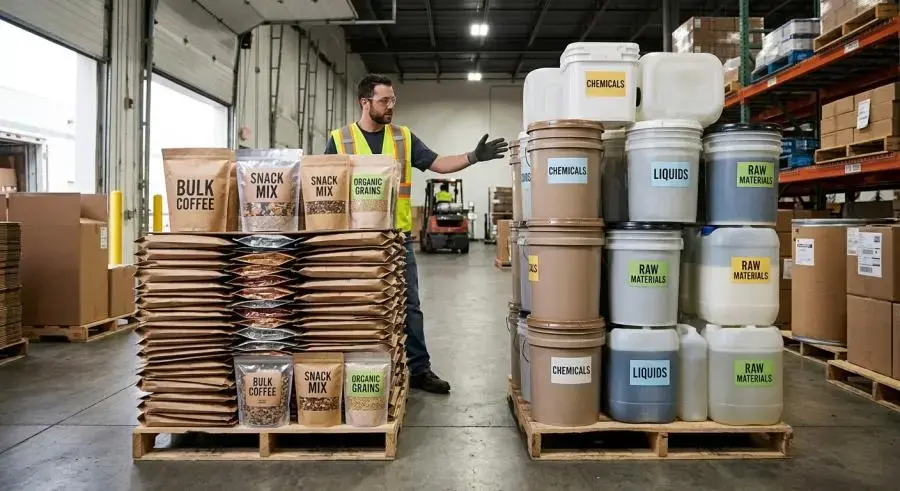
The single biggest ROI driver: 1 truckload of pouches replaces up to 25 truckloads of rigid containers. A brand importing from Asia can cut freight costs by 40%+.
Hidden Costs
Filling equipment may need retrofitting. Line speeds can be slower. Pouches have lower stacking strength, affecting pallet optimization.
IV. Dimension 2 — Product Protection & Shelf Life
Barrier Performance
Modern multi-layer films (PET/Al/PE) deliver barrier performance that rivals or exceeds rigid containers. In testing, high-barrier pouches extended shelf life by 40–200% vs rigid — especially for oxygen-sensitive products like coffee, nuts, and dried foods.
When Rigid Protects Better
Heavy or sharp products can puncture thin films. Carbonated beverages need rigid pressure containment. Pouches under heavy loads during shipping may shift.
The Freshness Factor
Flexible offers features rigid cannot: - Resealable zippers for after-opening freshness - One-way degassing valves for coffee - Spouted pouches for liquids
V. Dimension 3 — Branding & Shelf Appeal
Where Flexible Wins
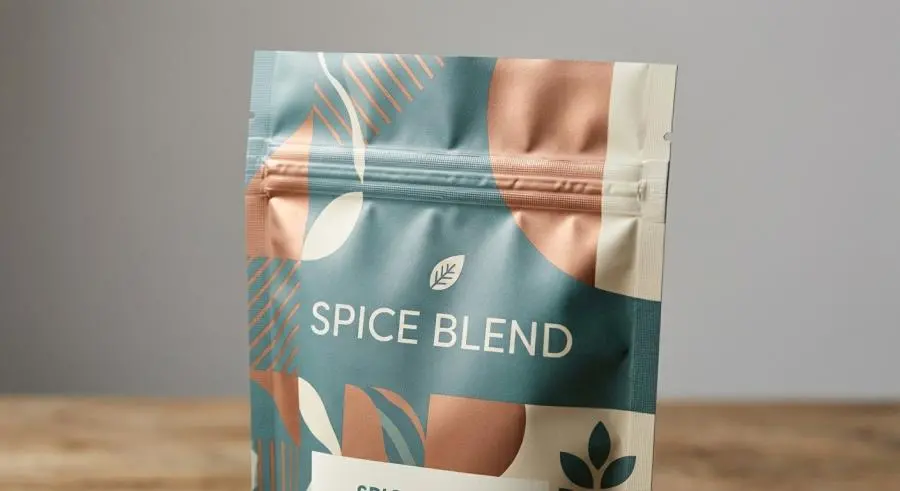
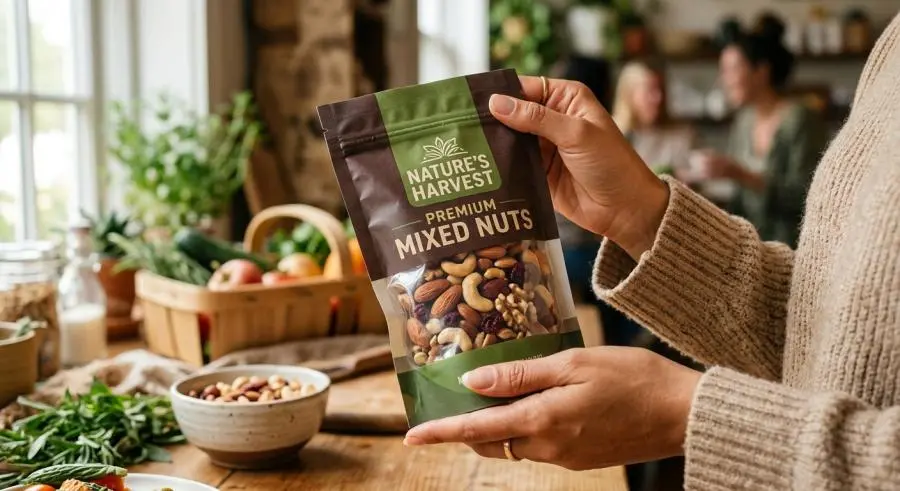
360-degree print surface — more canvas than any rigid format. Matte finishes, clear windows, custom shapes. Projects a modern, innovative image.
Where Rigid Wins
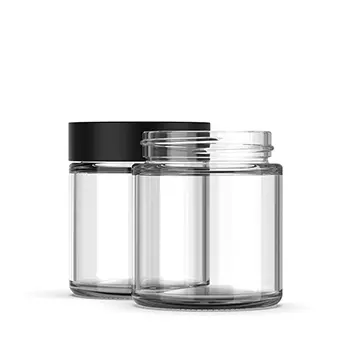
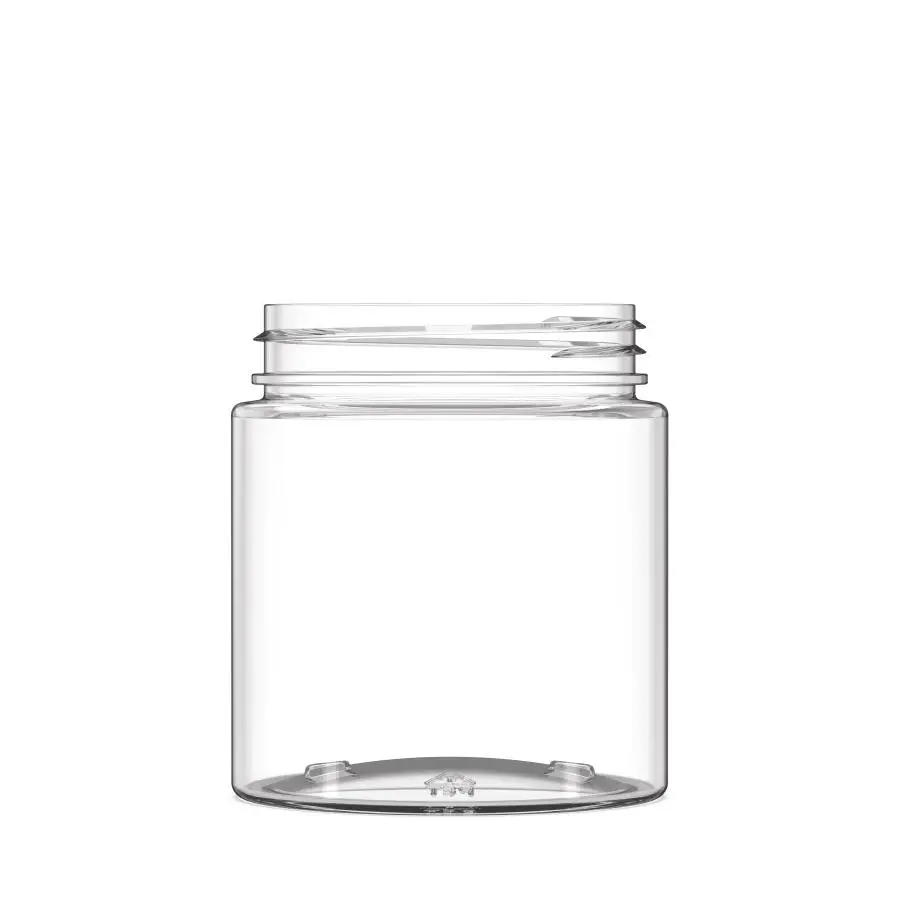
Structural presence and heft signal premium. Rigid creates cleaner, stackable retail displays. Consumer psychology equates weight with value.
The Perception Gap
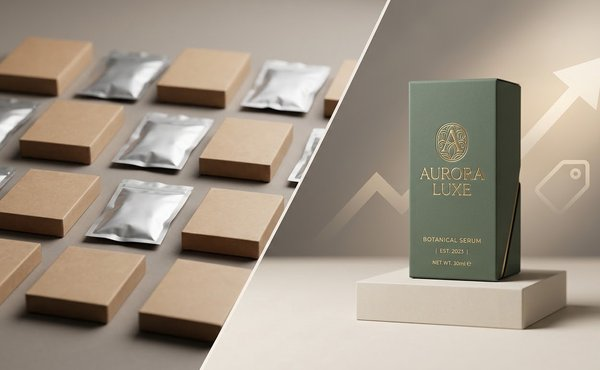
Rigid still signals "premium" more strongly, but the gap is closing. Premium-finished pouches — matte, foil, embossed — are narrowing the difference, especially in coffee, snacks, and pet food.
Best hybrid strategy: Pouch inside a rigid carton for e-commerce efficiency + retail shelf presence.
VI. Dimension 4 — Sustainability
Flexible's Edge
70% less material = 70% lower GHG emissions vs steel/aluminum. Less fuel in shipping. The big 2026 news: mono-material PE pouches are now recyclable in existing PE streams.
Rigid's Edge
Glass, metal, and rigid plastic are easier to sort and recycle today. Film recycling infrastructure is improving but still catching up.
VII. Decision Framework
| Factor | Choose Flexible Pouch | Choose Rigid Packaging |
|---|---|---|
| Product type | Dry foods, snacks, frozen, liquids | Heavy, fragile, carbonated |
| Channel | E-commerce, DTC, food service | Retail shelf (stacking) |
| Brand position | Modern, value, sustainable | Premium, luxury, heritage |
| Volume | High volume, thin margins | Low volume, high margin |
| Shelf life | Long (>6 months) | Short to medium |
The Hybrid Option
Pouch inside a rigid carton. Flexible protection + rigid shelf presence. Adds $0.10–0.30/unit but justifies higher retail — especially in premium categories where unboxing matters.
VIII. Conclusion
Flexible pouches win on cost, shipping, and freshness. Rigid still owns shelf presence and premium perception.
Final recommendation: Start with flexible for e-commerce and DTC. Add rigid outer for retail shelf. Test both with your product and channel mix. Run a total landed cost comparison before deciding.
References
- Future Market Insights. "Europe Pouch Market Forecast 2026-2036." https://www.futuremarketinsights.com/
- ChemCo Group. "Rigid Packaging vs Flexible Packaging." https://blog.chemcogroup.com/news/rigid-packaging-vs-flexible-packaging-how-to-choose-the-right-fit-for-your-product/
- Packaging Technology Today. "Six Reasons Food Brands Switch to Flexible Pouches." https://www.packagingtechtoday.com/materials/six-reasons-food-brands-switch-to-flexible-pouches/
- MSL Indianapolis. "Flexible vs Rigid Packaging: Cost, Protection & Brand Fit." https://msl-indy.com/flexible-vs-rigid-packaging/
- FoodNavigator. "Crack it, snack it, recycle it: Packaging that'll rule 2026." https://www.foodnavigator-latam.com/Article/2026/01/16/snack-packaging-trends-that-will-define-2026/
- Avnflex. "The Future of Flexible Packaging." https://avnflex.co/the-future-of-flexible-packaging-why-brands-are-switching-to-stand-up-pouches/