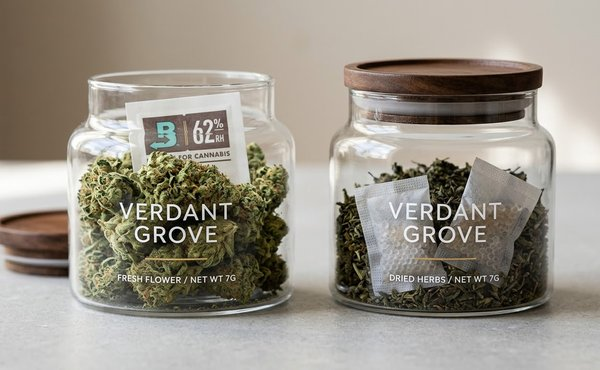
You have the artwork locked. Brand colors nailed. Then the factory quote lands: 50,000 units minimum for custom tins. You need 2,000 for a test run.
This is the MOQ wall — where ambition meets manufacturing reality. For cannabis brands navigating shifting state regulations, large minimums aren't just a cashflow strain. They're a strategic liability. Order too many and you're sitting on obsolete packaging when labeling rules change. Order too few and the per-unit premium eats your margin.
The old playbook optimized for lowest unit price. The 2026 playbook optimizes for total cost of ownership. This article breaks down why MOQs exist, what real 2026 minimums look like by package type, and six negotiation strategies that work whether you're placing your first order or locking in annual contracts.
Why MOQ Exists — The Manufacturer's Perspective
MOQs aren't arbitrary gates. They reflect real costs in three areas.
Mold & Tooling Amortization
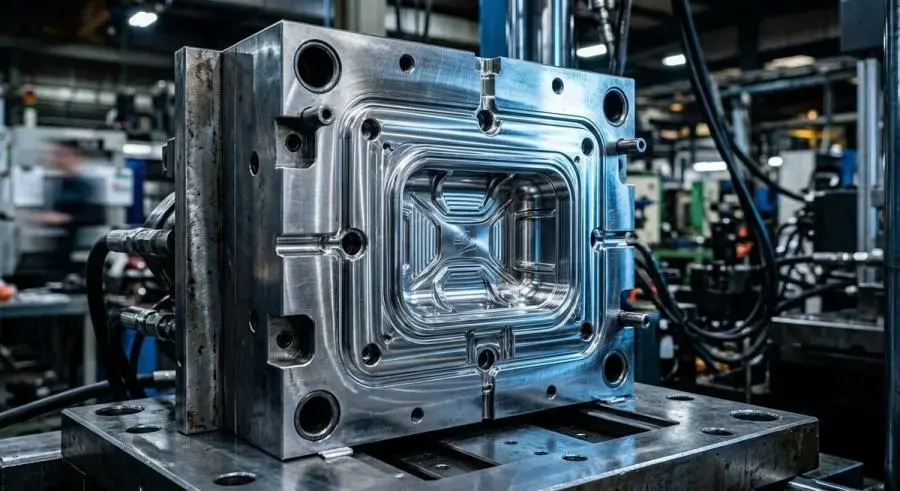
Every custom package starts with tooling. An injection mold for a jar lid: $3,000–$15,000. Gravure cylinders for a six-color Mylar bag: $2,000–$8,000. Die-cutting forms for a retail box: $500–$3,000. These are non-recurring engineering (NRE) costs. When a factory sets a 10,000-unit MOQ, they're calculating the volume needed to recover the tooling investment at a reasonable per-unit price.
Order 1,000 units and the factory either loses money or charges you a per-unit price that makes the math unattractive for both sides. MOQ is a cost recovery problem — one you can solve by owning your own molds.
Production Run Economics
Every run has fixed time costs: machine setup, color registration, seal bar heat-up, tension calibration, quality validation on the first 50 pieces. For flexible packaging, setup takes 10–30 minutes. For rigid packaging — jars, tins, injection-molded components — it runs 2–4 hours. A factory that stops a line for four hours to run 500 units loses money that a 5,000-unit run would recover.
This is why factories get flexible on MOQ when you piggyback your run after a similar large order — the setup cost is already paid for.
Material Procurement Minimums
Your packaging factory isn't the start of the supply chain. Film suppliers require 500 kg minimum per custom laminate structure. Ink suppliers, 50 kg per color. Board stock mills, 1 ton per grade. When you order 2,000 custom Mylar bags, your factory might need to buy a film roll that covers 20,000 bags. They carry the excess material cost, which is why they push back on small orders.
Understanding these three constraints changes the negotiation from "please lower your MOQ" to "here's how I'm reducing your risk on this run."
MOQ Benchmarks by Package Type (2026 Data)
Flexible Packaging (Mylar Bags, Stand-Up Pouches)
| Type | Standard MOQ | Low-MOQ Option | Premium at Low MOQ |
|---|---|---|---|
| Standard 3-layer matte Mylar | 3,000–5,000 | 500–1,000 | 15–20% |
| High-barrier / child-resistant | 5,000–10,000 | 1,000–2,000 | 20–30% |
| Mono-material recyclable | 5,000–8,000 | 1,000–2,000 | 25–35% |
Flexible packaging has the lowest MOQ threshold because tooling costs (gravure cylinders or flexo plates) are relatively low and line changeovers are fast. Some Chinese suppliers now offer MOQs as low as 500 units for standard pouches, at a 15–20% unit cost increase.
Rigid Packaging (Jars, Tins, Boxes)
| Type | Standard MOQ | Low-MOQ Option | Premium at Low MOQ |
|---|---|---|---|
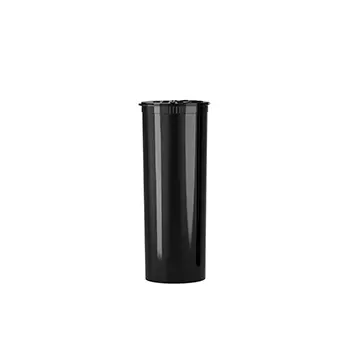
| Custom tin box | 10,000–25,000 | 5,000–10,000 | 30–50% |
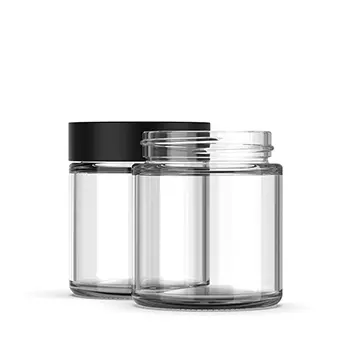
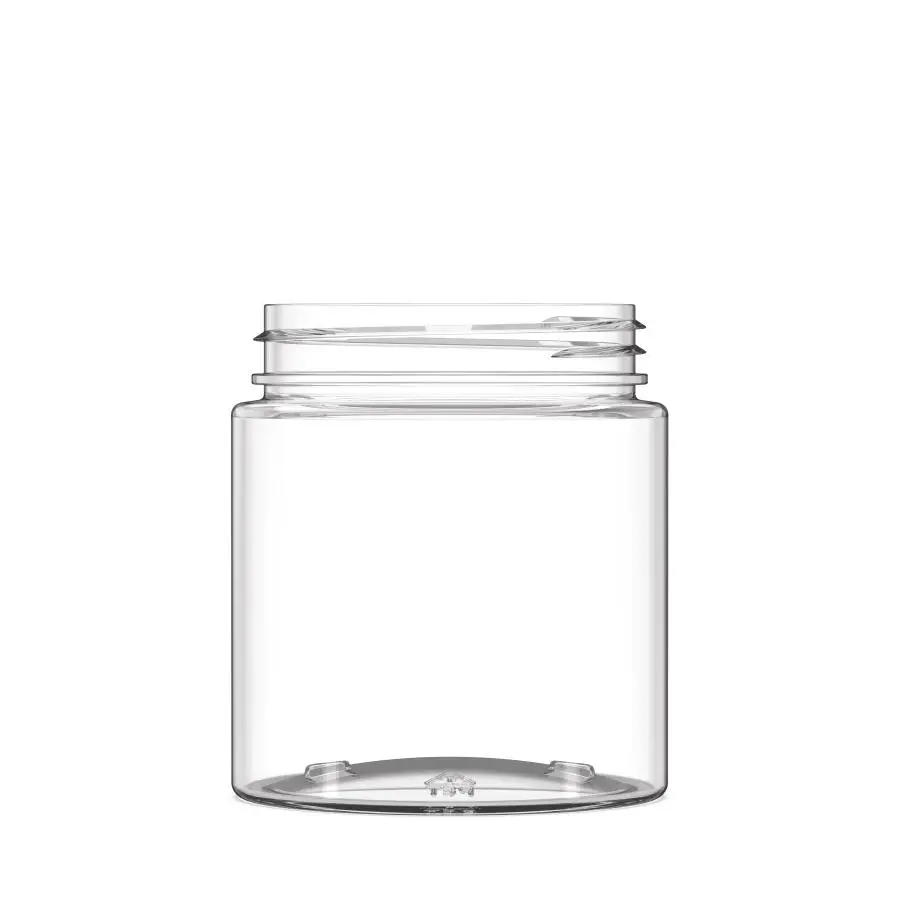
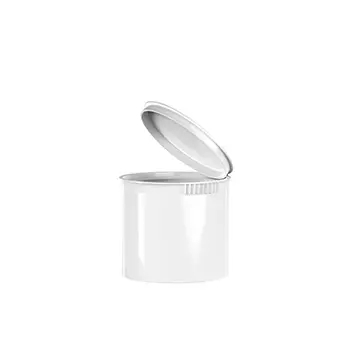
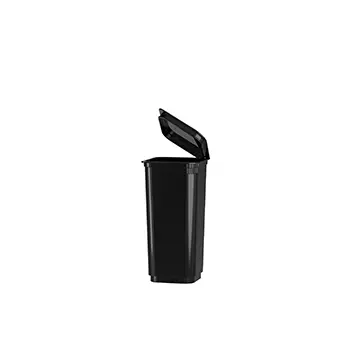
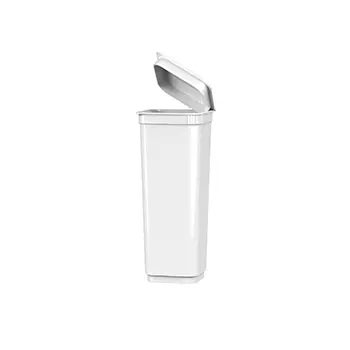
| Injection-molded plastic jar | 5,000–10,000 | 2,000–5,000 | 20–40% |
| Custom-mold glass jar | 10,000–20,000 | 5,000 | 40–60% |
Rigid packaging carries the highest MOQs because molds are expensive and production cycles are slow. A tin box stamping cycle is 8–12 seconds per piece — 10,000 units takes 22–33 hours of machine time.
Printed Cartons & Retail Boxes
| Type | Standard MOQ | Low-MOQ Option | Premium |
|---|---|---|---|
| Standard carton (offset) | 1,000–3,000 | 500 | 15–25% |
| Carton with foil/spot UV | 2,000–5,000 | 1,000 | 30–50% |
| Die-cut custom shape | 3,000–5,000 | 1,000 | ~40% |
The MOQ inflection point for cartons is around 2,000 units. Below that, per-unit die-cutting cost spikes because the setup-to-run ratio flips.
Custom Tubes (Pre-Roll, Vape)
| Type | Standard MOQ | Low-MOQ Option | Premium |
|---|---|---|---|
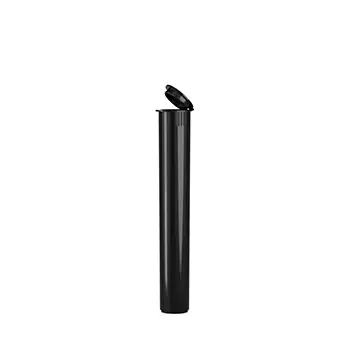
| PET plastic tube | 3,000–5,000 | 1,000 | 20–30% |
| Glass tube | 5,000–10,000 | 2,000 | 30–40% |
| Paper tube with CR closure | 5,000–10,000 | 2,000–3,000 | 25–35% |
Non-standard diameters require custom extrusion dies, which push MOQs higher. Stick with common dimensions on your first run.
The 2026 Strategic Shift — From Unit Price to Total Cost of Ownership
For years the industry benchmark was simple: lowest per-unit cost. That model is breaking down.
The Hidden Costs of Large MOQs
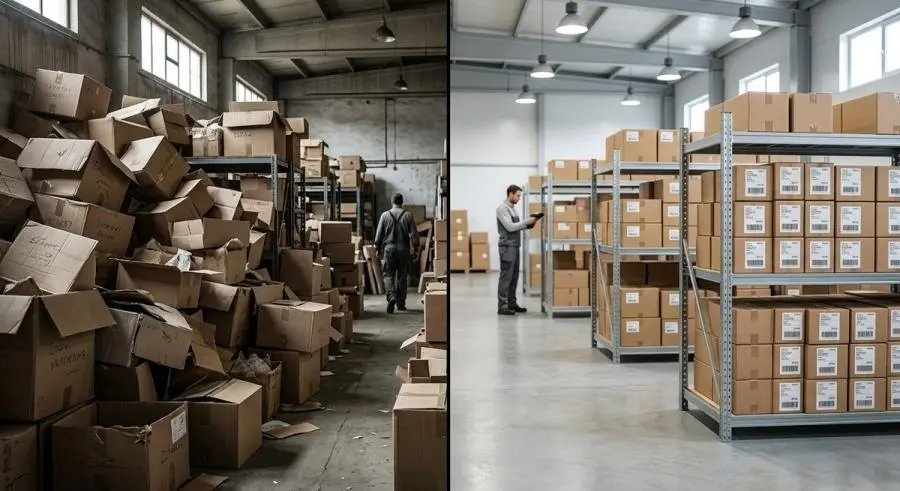
Inventory carrying cost — warehousing, insurance, opportunity cost of tied-up capital — runs 20–30% of inventory value per year. A brand that orders 50,000 bags at $0.18 but sells only 30,000 in year one isn't saving money. They're burning $1,080–$1,620 in carrying costs on 20,000 unsold units.
Then there's obsolescence. Between 2024 and 2026, at least 12 states revised their cannabis packaging labeling requirements — universal symbol sizes, warning language, testing mandates. A brand sitting on 20,000 printed bags when a regulation changes either destroys and reprints (100% loss) or applies expensive stick-on labels.
What Operational Optionality Is Worth
A brand that orders 10,000 bags four times a year can adjust strain names, refresh artwork, respond to seasonal demand, and test new formats. A brand that orders 40,000 bags once a year cannot. In a market where a hit strain can outsell a dud 3:1, flexibility compounds as a competitive advantage.
The 18% Write-Off vs. The 3% Waste
Brand A ordered 100,000 custom Mylar bags at $0.16 — total investment $16,000. Six months later, California updated its universal symbol requirement. 18,000 bags became unsellable. Write-off: $2,880 plus disposal.
Brand B ordered in batches of 10,000 at $0.22 — $2,200 per run. They ran 10 iterations, testing different strain-brand combinations. When the regulation changed, they had 1,200 bags in inventory. Write-off: $264. Their annual spend was $22,000 vs. Brand A's $16,000 — but they had zero stockouts, 40% higher sell-through, and 3% waste vs. 18%.
Higher per-unit cost. Lower total cost.
Six Strategies to Lower MOQs Without Sacrificing Quality
1. Leverage Sourcing Agents
A sourcing agent who handles multiple US cannabis brands consolidates orders across their client base. Instead of you ordering 2,000 bags alone, the agent pools demand from five brands and places a 10,000-unit order — bulk pricing without any single brand absorbing the volume.
Economics: agents charge 5–15% commission. Compare that to the 30–80% premium you'd pay going direct at a low MOQ. For most startups and mid-size brands, the agent path is the cheapest route to low minimums.
2. Buy Surplus and Stock Inventory
Factories regularly have overstock from cancelled orders, production overruns, or abandoned inventory. Available at 50–70% of regular price, with MOQs as low as 50–500 pieces. The trade-off: you choose from what exists rather than designing from scratch.
Best for: test runs, secondary SKUs where brand differentiation is less critical, or emergency backup stock.
3. Negotiate Tiered Pricing with Annual Commitment
Instead of a single MOQ, negotiate three price tiers with a volume forecast:
1,000 units at $0.45
5,000 units at $0.32
10,000 units at $0.25
Then sign an annual commitment — say, 20,000 units total — with monthly releases of 1,500–2,000. The factory gets revenue certainty. You get inventory flexibility. Most will accept if the annual number is firm.
4. Standardize Packaging Across SKUs
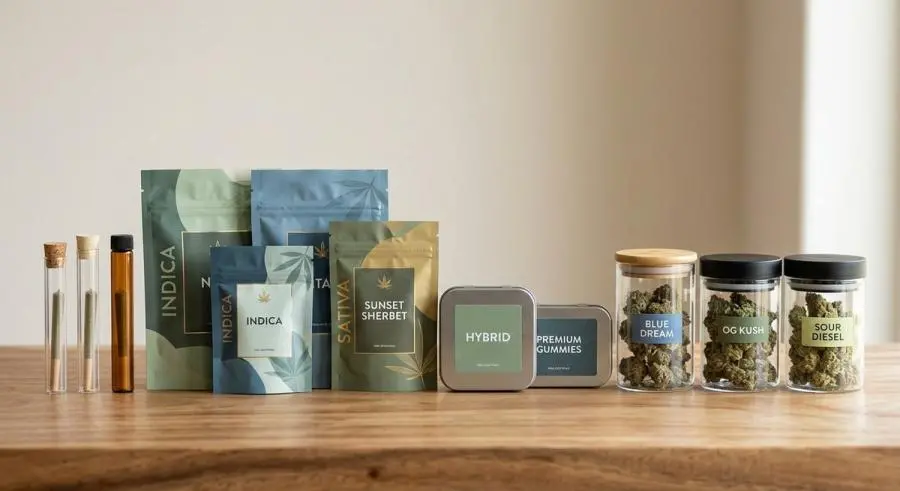
If all your strains use the same bag size, laminate structure, and print layout (only the name and THC percentage change), the factory sets up once and runs all SKUs in a single shift. Setup time drops from 30 minutes per SKU to 5 minutes per label change, reducing effective MOQ by 60–70% across your total volume.
5. Own Your Molds and Tooling
The single most effective MOQ reduction for rigid packaging. You pay for the injection mold ($5,000–$15,000) and the factory removes tooling amortization from the per-run calculation. MOQ drops from 10,000 to 2,000–3,000 — only material, machine time, and labor remain.
Owning your molds also protects your IP: the factory can't use your mold for another buyer. Future reorders get cheaper since the tooling is already paid for.
6. Piggyback on Existing Runs
Ask the factory to schedule your production after a similar large order — same material, same color profile, similar dimensions. They use residual material from the big run (otherwise waste), and machine parameters are already dialed in. Minimal setup, minimal risk.
Factories are most receptive during off-peak seasons: post-Chinese New Year lulls and mid-summer. Offer flexible delivery timing in exchange for a 50% MOQ reduction.
Compliance Traps When Sourcing from China
A low MOQ means nothing if the packaging doesn't pass compliance. Three traps to watch for.
CR Certification Requires Third-Party Testing
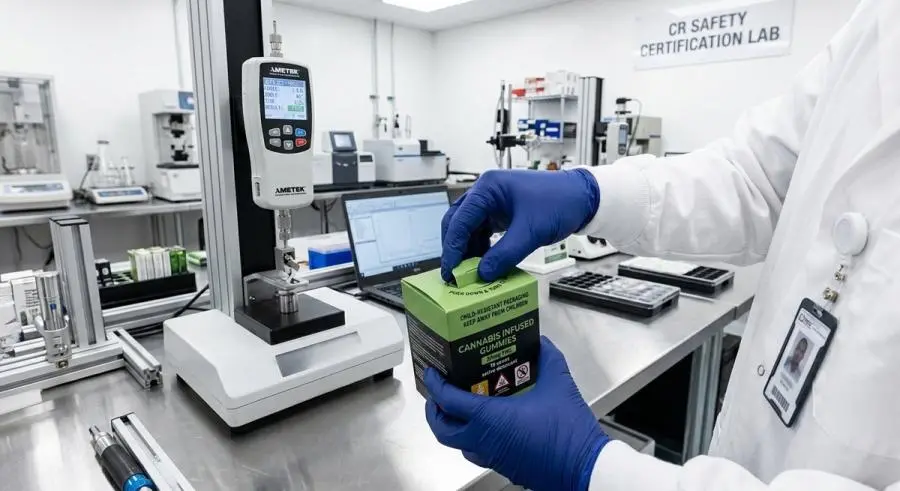
The most common trap: a Chinese factory claims its child-resistant closure "meets ASTM D3475" but has never run the protocol. ASTM testing requires 200 children aged 42–51 months and 100 seniors aged 50–70, conducted by a certified lab.
Demand test reports from SGS, Intertek, or Bureau Veritas — not a factory self-declaration. If they don't have one, budget $8,000–$15,000 and 8–12 weeks for testing.
FDA and Proposition 65 Liability Sits with You
For food-contact packaging (most cannabis packaging), materials must comply with FDA 21 CFR. Chinese factories should provide FDA Registration Numbers — verify them on the FDA website.
Prop 65 liability falls on the importer, not the manufacturer. Even with a factory compliance letter, you bear the risk if testing finds lead, phthalates, or BPA above safe harbor levels. Require batch-specific heavy metal and phthalate reports for every run.
The Three-Stage Inspection Protocol
Golden sample — Sign off on the physical sample before production starts
In-process inspection — Third-party inspector visits at 30–40% completion to check dimensions, color, seal integrity, registration
Pre-shipment inspection — AQL sampling (2.5 for critical defects, 4.0 for major) before containers load
Payment structure: 30% deposit / 40% after in-process inspection / 30% after pre-shipment. This gives you leverage to reject non-compliant goods before they leave the factory.
Decision Framework: Which Channel Fits Your Brand Stage?
| Brand Stage | Recommended Channel | MOQ Range | Cost Premium |
|---|---|---|---|
| Startup / first SKU | US importer or sourcing agent | 500–1,000 | 30–80% above wholesale |
| Mid-size / growing | Trading agent + tiered pricing | 2,000–5,000 | 15–30% |
| Established / scaling | Direct to manufacturer, own molds | 10,000+ | Near wholesale |
When to level up:- Monthly sell-through exceeds 70% of your MOQ (stockout risk) - Reorder frequency hits 4+ per year (enough demand data for forecasting) - Your brand is stable across 2+ regulatory cycles (label design unlikely to change)
The test-small, scale-fast approach: Validate product-market fit with low-MOQ surplus stock or agent-consolidated orders. Once a packaging format proves itself — consistent reorders, positive feedback, stable regulations — lock in economies of scale with direct sourcing and owned tooling.
You'll pay a premium on the first 2,000–5,000 units. You'll avoid the catastrophic cost of being stuck with 20,000 units that don't work.
MOQ is not a wall. It's a starting point — one that becomes negotiable when you understand the cost structure behind it. The brands winning in 2026 aren't the ones with the lowest per-unit cost. They're the ones with the most supply chain flexibility: the ability to test small, iterate fast, and scale when the data says yes.
Start with the smallest feasible order. Validate in the market. Build a relationship with a sourcing agent or factory that understands your stage. Then, when the numbers prove themselves, lock in the economies of scale.