Introduction
Cannabis brands in 2026 face a shelf competition problem. With more than 10,000 legal brands competing for retail display space in the US, product quality alone no longer drives purchase decisions. The package is the first — and often only — chance to communicate value before a consumer chooses.
Premium packaging finishes — hot foil stamping, spot UV coating, embossing, and soft-touch lamination — have become the primary tools for differentiating at the point of sale. Yet most brands select these finishes based on what a supplier recommends or what a competitor uses, without understanding the cost structure, technical constraints, or format-specific limitations of each option.
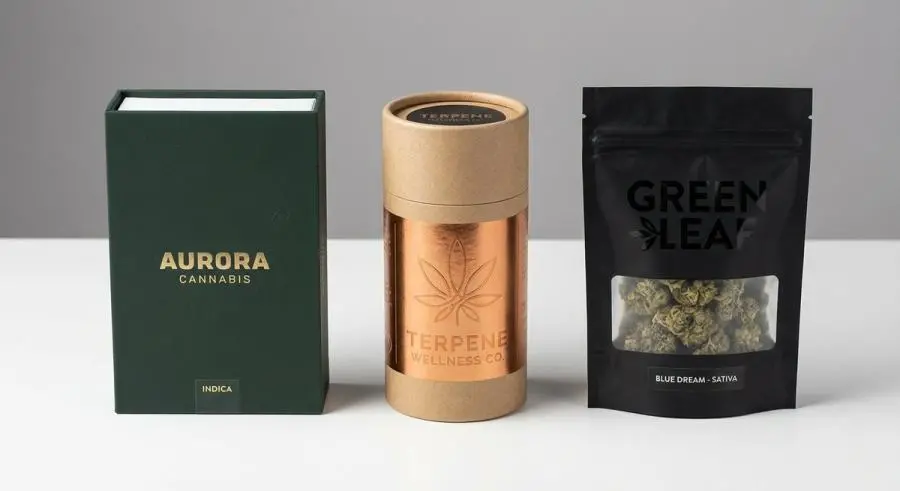
The most consistent premium formula in 2026 is "matte plus one accent." A matte or soft-touch base surface with a single accent finish — foil stamping or spot UV on the brand mark — creates contrast without clutter. This guide breaks down how each finish works, what it costs on different package formats, and how to choose the right combination for your brand's budget and positioning.
The Four Major Premium Finishes — How They Work
Hot Foil Stamping
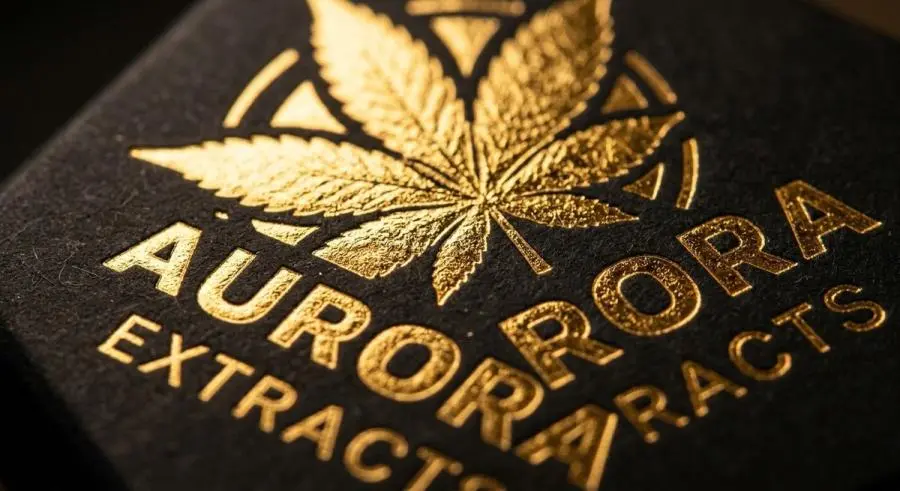
Hot foil stamping transfers a metallic or pigmented foil onto a substrate using a heated metal die and pressure. The die presses the foil against the surface, bonding it in the shape of the design. The result is a reflective, high-contrast detail that catches light differently from every angle.
Best applications: Logos, brand marks, strain names, serial numbers, limited-edition packaging. Foil works best on small focal areas — a logo or a single word — rather than large panels.
Technical constraints: Minimum line width is approximately 0.5mm; thinner lines risk tearing the foil during transfer. Foil cannot be applied over deep embossing. The process sequence matters: foil first, then lamination, then spot UV. Registration tolerance is approximately ±0.5mm, making cylindrical surfaces (paper tubes) more challenging than flat panels.
Cost: $0.02–$0.06 per square centimeter, depending on foil color, coverage area, and order volume. A single foil logo on a typical pre-roll tube adds approximately $0.04–$0.08 per unit at 10,000-unit quantities.
Foil types: Metallic gold and silver (most common), holographic, matte metallic, pigmented (white, black, custom colors), and diffraction patterns. Foil color choice significantly affects cost and lead time.
Spot UV
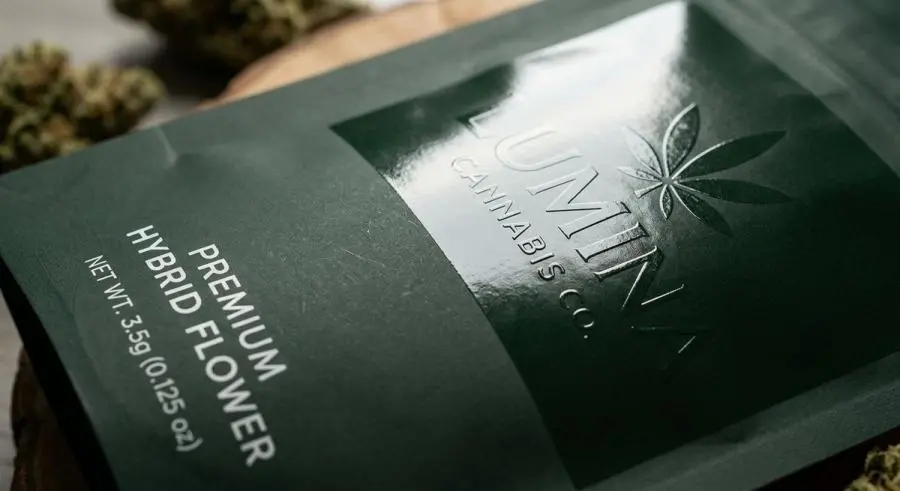
Spot UV applies a clear, glossy varnish to specific areas of an already-printed and laminated surface. The varnish is cured instantly under ultraviolet light, creating a raised, shiny contrast against a matte background.
Best applications: Highlighting logos, strain names, and key artwork details. The effect is most dramatic over matte or soft-touch laminated surfaces, where the contrast between dull background and glossy accent is strongest.
Technical constraints: Spot UV requires at least 1mm clearance from foil-stamped areas. Process sequence: foil first, then matte lamination, then spot UV. Registration is critical — misaligned UV makes a package look sloppy rather than premium. Coverage should be limited to small areas; large UV panels appear plastic-like and cheap.
Cost: $0.01–$0.03 per square centimeter, lower than foil stamping. However, setup and registration costs mean runs under 5,000 units carry a disproportionate per-unit premium.
The safest premium signal for 2026: Multiple industry sources identify matte black or dark-colored stock with a sharp spot UV logo as the most reliable premium look for mylar bags. The effect is discovered through handling rather than shouting from the shelf.
Embossing and Debossing
Embossing raises a design element above the surface; debossing presses it below. Both use a metal die and counter-die to permanently deform the substrate, creating a tactile effect that can be felt as well as seen.
Best applications: Brand logos on rigid boxes, gift packaging, premium cartons. The tactile nature makes them ideal for the unboxing experience — a touchpoint that increasingly drives social media content and repeat purchase intent.
Technical constraints: Substrate must be at least 18-point board (approximately 0.46mm) for clean embossing. On thinner stock, the effect is weak or may crack. Embossing and foil cannot be combined in the same area without a specialty combination die, which costs significantly more. Cylindrical surfaces cannot be embossed or debossed directly.
Cost: $0.03–$0.08 per impression, plus a one-time die cost of $100–$400. At 10,000 units, the die adds approximately $0.01–$0.04 per unit on top of the impression cost.
Blind vs registered embossing: Blind embossing (no ink or foil) is the most cost-effective option and creates the subtlest effect. Registered embossing (aligned with printed or foiled elements) requires more precise setup and drives up cost.
Soft-Touch Lamination
Soft-touch lamination applies a thin matte film to the substrate surface, creating a velvety, rubberized feel. It is the most tactile of all premium finishes and signals quality immediately upon handling.
Best applications: Top-shelf flower cartons, vape packaging, concentrate boxes, gift sets. Soft-touch is particularly effective for products positioned as premium or luxury.
Technical constraints: Soft-touch surfaces show fingerprints and scuffs more readily than gloss or standard matte finishes. This makes them less suitable for high-turnover retail environments where packages are handled repeatedly. Soft-touch must be paired with an accent finish — used alone, it can appear understated to the point of being forgettable. The laminate is PE-based, which affects recyclability.
Cost: $0.02–$0.05 per panel, depending on film quality and coverage. One of the more affordable premium finishes at scale.
Cost Analysis — Finish Cost by Package Format and Volume
Per-Unit Cost Comparison
At 10,000-unit order quantities, per-unit cost varies significantly by format:
| Finish | Mylar Bag | Rigid Box | Paper Tube | Carton |
|---|---|---|---|---|
| Hot Foil | $0.04–$0.08 | $0.06–$0.12 | $0.03–$0.06 | $0.05–$0.10 |
| Spot UV | $0.02–$0.05 | $0.03–$0.06 | $0.02–$0.04 | $0.03–$0.05 |
| Embossing | N/A | $0.05–$0.10 | N/A | $0.04–$0.08 |
| Soft-Touch | $0.03–$0.06 | $0.04–$0.08 | $0.03–$0.05 | $0.03–$0.06 |
The key insight: the cheapest finish on paper is not always the best value. A $0.03 spot UV on a mylar bag can lift perceived value more than a $0.06 soft-touch on the same bag, because the contrast effect is stronger.
The "Matte + One Accent" Rule
Industry consensus converges on a single principle: one accent finish per package is optimal. Two is the maximum before diminishing returns. Three accents on one package look cluttered and raise cost without proportional brand lift.
Most effective combinations observed in 2025–2026: - Soft-touch rigid box + gold foil logo: The premium standard for top-shelf flower - Matte carton + spot UV strain name: Clean, modern, and cost-effective - Matte mylar bag + foil brand mark + spot UV logo: Two accents but only on the front panel - Embossed logo + foil on a rigid gift box: The highest perceived value combination
Hidden Costs
Beyond per-unit finish cost, three hidden costs affect total cost of ownership:
Tooling and dies: Foil stamping dies cost $50–$200 per design; embossing dies cost $100–$400. One-time charges that must be factored into small-batch unit economics.
Setup time: Each additional finishing pass adds 1–3 days to production lead time. A package with foil + spot UV + soft-touch requires three separate machine passes, adding up to a week to manufacturing.
Minimum charges: Foil stamping and embossing typically have minimum charge amounts regardless of coverage. A brand paying for a full-panel foil die but using only a 2cm² logo area still pays for the full setup.
Finish Selection by Package Format — Decision Framework
Mylar Bags
Mylar bags are the most challenging format for premium finishes. The flexible substrate cannot hold embossing, and soft-touch lamination is less effective on thin film.
Best choices: Spot UV and foil stamping on a small logo area. The 2026 consensus: matte black mylar bag with a sharp spot UV logo is the safest premium signal available.
Avoid: Embossing and large-area foil coverage (foil cracks when the bag is folded or handled).
Cost-effectiveness: Spot UV on mylar bags delivers the highest perceived-value-to-cost ratio of any finish-format combination.
Rigid Boxes and Cartons
Rigid boxes are the most versatile format. All four finishes work well, and combinations are easier to execute on flat surfaces.
Best choices: Soft-touch laminate base + foil stamping on the logo + optional spot UV on a secondary element. This creates visual hierarchy: the soft base signals quality, foil draws the eye, and spot UV adds discovery detail.
Most premium option: Embossed logo combined with foil stamping on a rigid magnetic-closure box. Used by the most established premium brands.
For a single hero SKU: The embossed rigid box justifies a higher price point and is often photographed for social media, amplifying the return on investment.
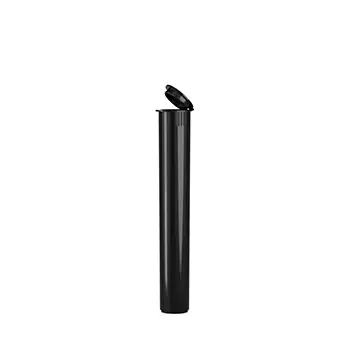
Paper Tubes
Paper tubes present unique challenges: cylindrical surface and registration around the seam.
Best choices: Foil stamping applied circumferentially and spot UV on the label area. Foil wrapping around a tube creates a continuous visual line difficult to achieve on flat packaging.
Avoid: Embossing (curvature distorts the impression) and soft-touch lamination (adds thickness affecting lid fit or sliding mechanism).
Registration note: Foil on paper tubes is approximately ±1mm — less precise than on flat surfaces. Avoid designs requiring foil to align precisely with printed elements around the full circumference.
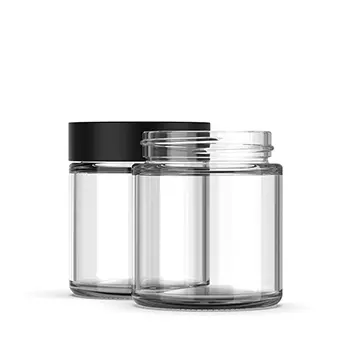
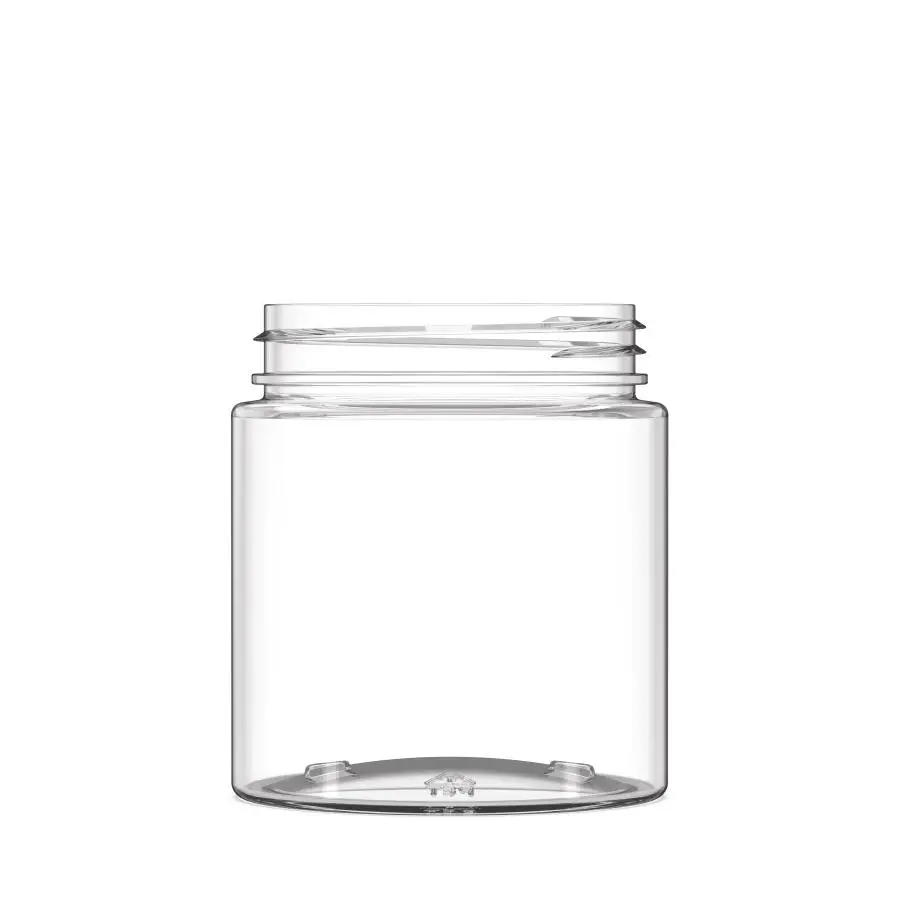
Glass and Plastic Jars
Premium finishes cannot be applied directly to glass or plastic. Instead, finishes go on the label, cap, or secondary packaging.
Options:- Foil-stamped pressure-sensitive labels for the jar body - UV-coated labels with spot gloss on the brand name - Soft-touch shrink sleeves - Foil-stamped or embossed outer carton
Recommendation: The most cost-effective approach is a foil-stamped label combined with a textured or oversized cap. The cap is the primary tactile touchpoint — upgrading it delivers more brand lift per dollar than adding finishes to the glass itself.
2026 Trends and Regulatory Considerations
Sustainability vs. Premium Finishes
The tension between premium finishing and recyclability is intensifying in 2026 as more states adopt packaging sustainability requirements.
Foil stamping and recycling: Metallic foil is a contaminant in paper recycling streams. Foil-stamped paper products cannot be accepted in standard recycled paper mills unless the foil area is very small and separable.
Spot UV and recycling: UV coating is generally acceptable if coverage is less than 50% of the surface. Full-coverage UV creates a plastic-like layer that interferes with pulping.
Soft-touch lamination and recycling: PE-based films are incompatible with standard paper recycling. Soft-touch laminated boxes must go to mixed-plastics streams, though most consumers will not know this.
The sustainable alternative: Blind embossing offers a premium tactile effect with zero material addition — no foil, no coating, no lamination. It is fully recyclable and increasingly popular among sustainability-positioned brands.

Pairing Finishes with Child-Resistant Packaging
CR mechanisms create physical constraints that affect finish placement and durability:
Foil on a push-and-turn cap: Wears off rapidly with handling and torque. Limit finishes to the top surface, not the gripping edge.
Spot UV on a pinch-and-slide tab: UV coating can increase friction, potentially affecting the sliding mechanism.
Embossing on a CR Box: Can weaken the structural integrity of locking tabs if applied too close.
Best practice: Apply premium finishes to the outer packaging (carton, sleeve, or display box) rather than the primary CR container. This preserves finish quality and avoids interference with safety mechanisms.
Conclusion
No single premium finish is universally superior for cannabis packaging. The right choice depends on three factors: package format, budget, and the brand message.
For mylar bags: Spot UV delivers the highest impact per dollar. Matte bag, one glossy logo.
For rigid boxes: Soft-touch laminate with foil stamping is the proven premium formula. Add embossing for the highest perceived value.
For paper tubes: Foil stamping is the most effective option. Account for registration limitations on cylindrical surfaces.
For glass and Plastic Jars: Invest in the cap and label first. Foil-stamped labels and oversized textured caps provide the best return.
The "matte plus one accent" rule applies across all formats: one finish is impactful, two is the maximum, three is wasteful. Before committing, request physical samples from your supplier — foil on a digital proof looks very different from foil on the actual substrate under retail lighting.
References
420 Packaging. Cannabis Packaging Finishes and Production Guide (Updated April 2026). https://www.420-packaging.com/Blogs/Cannabis-Packaging-Finishes-and-Production-Guide.html
MSN Packaging. 2026 Cannabis Packaging Trends. https://www.msnpackaging.com/blogs/news/2026-cannabis-packaging-trends-what-s-shaping-the-industry-msn-packaging-inc-insights
Pixels & Packs. Designing Custom Mylar Bags for Your Cannabis Brand (2026). https://www.pixelsandpacks.co.uk/2026/02/04/designing-custom-mylar-bags-for-your-cannabis-brand/
RXDco. High-End Retail Bags for Cannabis Packaging. https://rxdco.com/products/high-end-retail-bags/