Cannabis brands expanding into new markets face a maze of packaging regulations that can derail product launches and trigger costly compliance violations. Each state enforces different child-resistant (CR) requirements, labeling mandates, and testing standards that change without warning.
This comprehensive guide breaks down the current cannabis packaging compliance landscape across major legal states in 2026, helping your brand navigate multi-state expansion while avoiding regulatory pitfalls that could cost thousands in fines and product recalls.
Understanding Child-Resistant Packaging Standards
Child-Resistant Packaging forms the backbone of cannabis compliance nationwide. The Consumer Product Safety Commission (CPSC) sets federal CR testing standards through protocols 16 CFR 1700.15 and 16 CFR 1700.20, but states interpret and enforce these requirements differently.
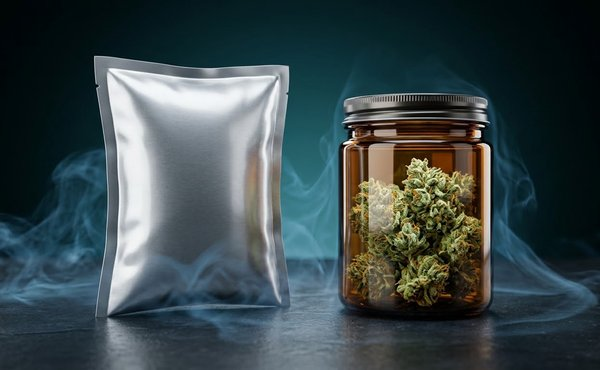
CR certification requires packaging to prevent 85% of children under five from opening the container within five minutes, while allowing 90% of adults aged 18-45 to open it successfully. This dual requirement creates engineering challenges that affect every packaging format from CR mylar bags to rigid folding cartons.
Federal vs. State Authority
While cannabis remains federally controlled, states regulate packaging through their cannabis control boards. This creates a patchwork system where brands must satisfy both federal CR testing standards and state-specific requirements for materials, labeling placement, and container sizes.
The key compliance principle: your packaging must meet the strictest requirement at every level. If federal standards require CR certification and your target state mandates specific labeling placement, your packaging must satisfy both simultaneously.
Major State Requirements Breakdown
California: Comprehensive Regulations with Strict Enforcement
California's cannabis packaging laws under the Department of Cannabis Control (DCC) represent some of the most detailed requirements nationwide. All cannabis products require CR packaging with specific exceptions for certain topicals and tinctures over 2 fl oz.
Key California Requirements:
CR certification required for all flower, concentrates, and edibles
Opaque or translucent packaging (no clear containers showing product)
Maximum 28g flower per package, 1000mg THC for edibles
Specific warning label placement covering 20% of principal display panel
Universal symbol required in contrasting colors
California's unique challenge involves local municipality rules that can override state requirements. Los Angeles County, for example, adds restrictions on package colors and requires additional testing documentation that other counties don't mandate.
Colorado: Pioneer State with Evolving Standards
Colorado's Marijuana Enforcement Division (MED) established the template many states follow, but 2026 updates have tightened several requirements. The state requires CR packaging for all products except topicals and tinctures, with specific container size limits.
Colorado Specifics:
Single-serving edible limit: 10mg THC per piece, 100mg per package
Flower packaging: maximum 28g (1 oz) per container
Concentrate packaging: maximum 5g per container for certain formats
Required testing batch information on all packages
Mandatory tracking integration with METRC system
Colorado allows some flexibility in CR formats, accepting both traditional push-and-turn caps and newer slide-lock mylar bags that meet CPSC standards.
New York: New Market with Strict Entry Requirements
New York's Office of Cannabis Management (OCM) launched adult-use sales in 2022 but implemented some of the nation's strictest packaging requirements by 2026. The state emphasizes child safety while promoting social equity through packaging supplier diversity requirements.
New York Mandates:
CR packaging required for all products except specific topical exemptions
Biodegradable packaging preference with sustainability reporting
Social equity supplier requirements for certain license types
Maximum package sizes: 28g flower, 3g concentrates
Specific font requirements for warning labels (minimum 6-point type)
New York's sustainability focus creates opportunities for brands using eco-friendly CR packaging options, though compliance costs run higher than traditional formats.
Florida: Medical-Only with Strict Container Rules
Florida's medical cannabis program through the Department of Health maintains conservative packaging requirements focused on pharmaceutical-style containers. The state requires specific CR formats and prohibits certain packaging types common in other markets.
Florida Requirements:
Pharmaceutical-grade CR containers only (no mylar bags for flower)
Maximum 35-day supply per container
Specific labeling requirements including physician information
Tamper-evident seals required on all containers
Batch tracking integration with state monitoring system
Florida's medical focus means brands can't use recreational-style packaging common in other states, requiring separate product lines for Florida distribution.
Illinois: Mature Market with Updated Standards
Illinois Social Equity Cannabis Dispensary Program through the Department of Financial and Professional Regulation (IDFPR) updated packaging requirements significantly in 2026, adding new testing requirements and container specifications.
Illinois Updates:
CR packaging required with enhanced testing documentation
Maximum THC limits: 100mg edibles, 28g flower per package
Specific warning label requirements in English and Spanish
Mandatory QR codes linking to lab testing results
Restrictions on package colors that might appeal to children
Illinois allows various CR formats but requires additional documentation proving CPSC compliance that some other states don't mandate.
Multi-State Compliance Strategy
Brands operating across multiple states face the challenge of creating packaging that satisfies the most restrictive requirements while maintaining cost efficiency. The solution involves identifying the highest common denominator across your target markets.
Universal Compliance Approach
Start with the strictest requirements across all target states. If California requires opaque packaging and New York mandates biodegradable materials, your multi-state packaging should incorporate both features. This approach eliminates the need for separate packaging runs while ensuring compliance everywhere.
Common Denominators Across Major States:
CR certification required (CPSC standards minimum)
Warning labels covering 15-20% of principal display panel
Universal cannabis symbol in contrasting colors
Batch and testing information display
Maximum THC content labeling
Format Selection for Multi-State Brands
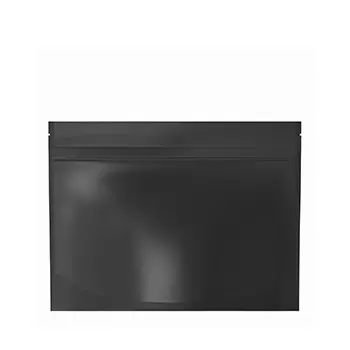
Different packaging formats offer varying levels of multi-state compatibility. CR mylar bags provide flexibility across most states but face restrictions in pharmaceutical-focused markets like Florida. Rigid boxes with CR mechanisms satisfy more state requirements but cost more per unit.
Multi-State Format Recommendations:
CR Mylar Bags: Best for flower and edibles in recreational states
Rigid Folding Cartons: Universal acceptance, premium positioning
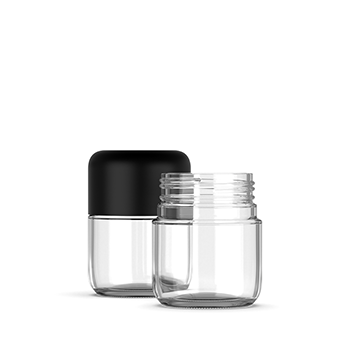
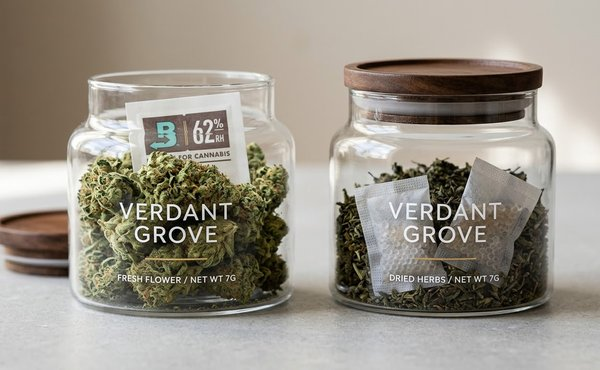
Glass Jars with CR Caps: Pharmaceutical compliance, premium appeal
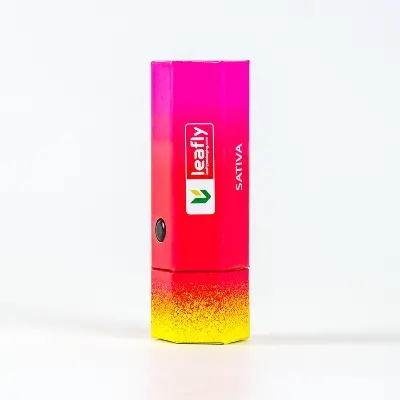
Tubes with CR Mechanisms: Concentrate-specific, widely accepted
Working with a packaging supplier that understands multi-state requirements eliminates guesswork and reduces compliance risk as you scale into new markets.
2026 Regulatory Trends and Updates
Cannabis packaging regulations continue evolving as states refine their programs based on enforcement experience and public health data. Several key trends are shaping requirements across major markets in 2026.
Sustainability Requirements
Environmental concerns are driving new packaging requirements in several states. New York leads with biodegradable packaging preferences, while California is considering extended producer responsibility programs that would require brands to fund packaging recycling.
Emerging Sustainability Requirements:
Biodegradable or compostable materials preferred in some states
Recycling information required on packaging
Extended producer responsibility programs under consideration
Restrictions on single-use plastic components
Enhanced Testing Documentation
States are requiring more detailed testing information display on packaging, moving beyond basic THC/CBD content to include pesticide testing results, heavy metals screening, and microbiological testing data.
New Testing Display Requirements:
QR codes linking to full lab reports
Batch-specific testing date display
Pesticide testing results summary
Heavy metals and microbiological testing confirmation
Technology Integration
Several states are implementing enhanced tracking requirements that integrate with packaging through QR codes, RFID tags, or other technology solutions that connect packages to state monitoring systems.
Avoiding Common Compliance Pitfalls
Cannabis brands frequently encounter preventable compliance issues that result in product holds, fines, and market delays. Understanding these common mistakes helps brands build robust compliance processes.
Labeling Placement Errors
Each state specifies exact placement requirements for warning labels, universal symbols, and required text. Brands often assume similar requirements across states, leading to violations when packages don't meet specific placement rules.
Common Labeling Mistakes:
Warning labels too small or poorly positioned
Universal symbols in wrong colors or locations
Missing required text elements (batch numbers, testing dates)
Incorrect font sizes or types for required information
CR Testing Documentation
States require different levels of documentation proving CR compliance. Some accept manufacturer certificates while others require independent testing reports. Maintaining proper documentation prevents delays during compliance reviews.
Package Size Violations
Maximum package sizes vary significantly between states and product types. Brands often overlook these limits when designing packaging for multiple markets, resulting in products that can't be sold in certain states.
Working with Compliant Packaging Suppliers
Choosing the right packaging partner significantly impacts your compliance success and operational efficiency. Suppliers with deep cannabis industry knowledge help brands navigate complex requirements while maintaining cost efficiency.
Key Supplier Qualifications
Look for packaging suppliers that understand cannabis-specific requirements and maintain current knowledge of regulatory changes across your target markets. Experience with CR certification processes and state-specific requirements reduces compliance risk.
Essential Supplier Capabilities:
CR certification across all packaging formats
Current knowledge of state-specific requirements
Custom printing capabilities for compliance labeling
Documentation support for regulatory submissions
Multi-state shipping and fulfillment capabilities
Compliance Support Services
The best cannabis packaging suppliers offer compliance consulting beyond just manufacturing. This includes regulatory update notifications, labeling review services, and guidance on new market entry requirements.
Leafly Packaging specializes in cannabis compliance across all major formats, offering CR-certified packaging from mylar bags to rigid boxes with full custom printing capabilities. Our compliance expertise helps brands navigate multi-state requirements while maintaining brand consistency and cost efficiency.
Building Your Compliance Process
Successful cannabis brands build systematic compliance processes that scale with business growth and adapt to regulatory changes. This involves creating standard operating procedures for packaging selection, labeling review, and supplier management.
Documentation Management
Maintain comprehensive records of all packaging compliance documentation, including CR testing reports, supplier certifications, and regulatory correspondence. Organized documentation accelerates compliance reviews and demonstrates good faith compliance efforts.
Essential Compliance Documentation:
CR testing reports for all packaging formats
Supplier certification and qualification records
State-specific compliance checklists
Regulatory update tracking and implementation records
Audit trail for packaging changes and approvals
Regular Compliance Reviews
Schedule quarterly compliance reviews to assess regulatory changes, supplier performance, and packaging effectiveness. This proactive approach identifies potential issues before they become violations.
Cannabis packaging compliance requires ongoing attention and expertise, but brands that invest in proper systems and supplier relationships position themselves for successful multi-state expansion. Your packaging should work as hard as your brand — fully compliant, fully custom, and ready for whatever regulatory changes come next.
Ready to ensure your cannabis packaging meets all state requirements while building your brand? Learn more about CR-certified custom packaging solutions at leaflypackaging.com.