Edited final · writting-04 polish
Introduction
"Should we keep buying stock to save money, or go custom?" That's the wrong question — it assumes stock is cheaper and custom is a splurge. Neither is true by default. What separates a smart brand from a burned one is timing: knowing exactly when the upgrade stops costing you and starts paying you back. This article gives you that framework, plus a low-risk path to start without betting the whole budget.
Stock ≠ cheap. Custom ≠ expensive. Here Come the Real Costs.
The Unit-Price Illusion
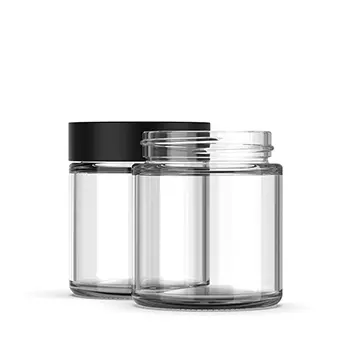
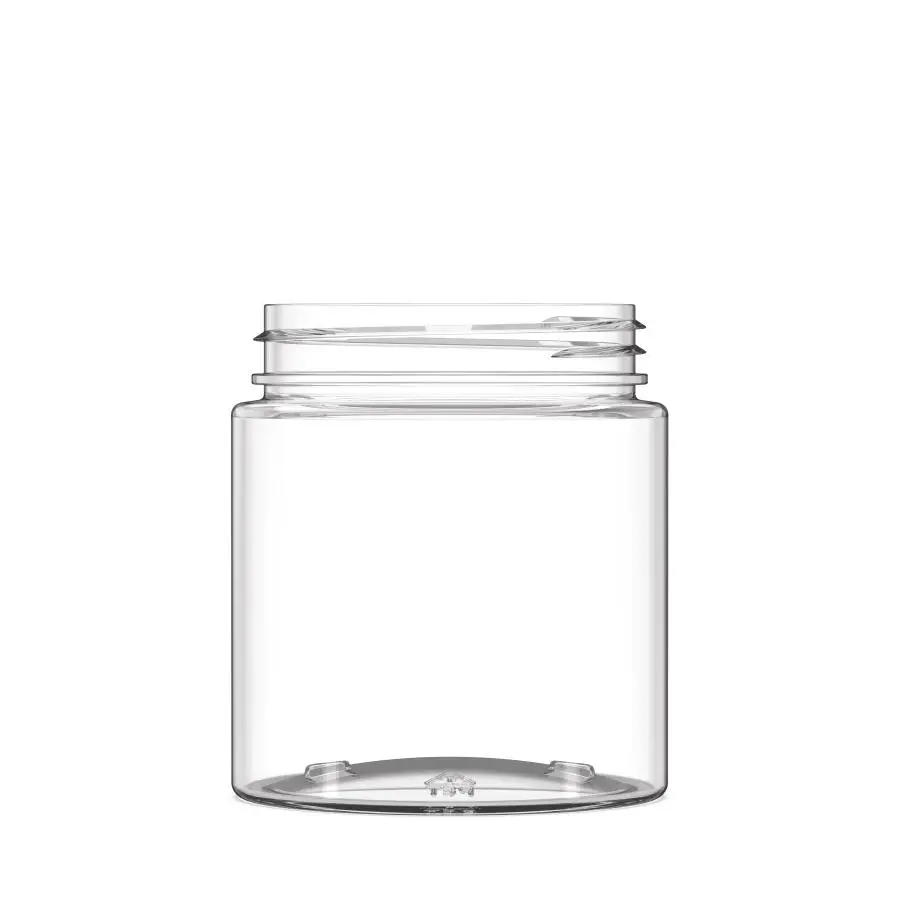
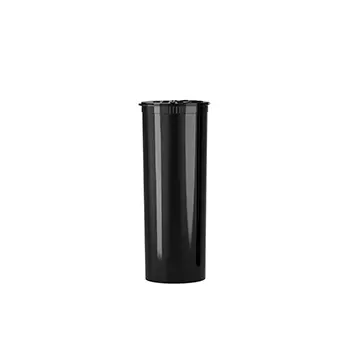
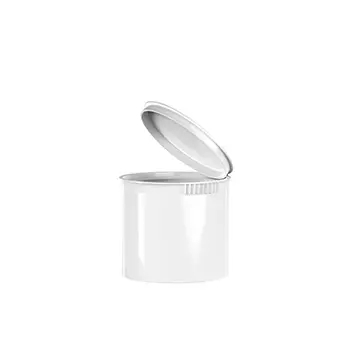
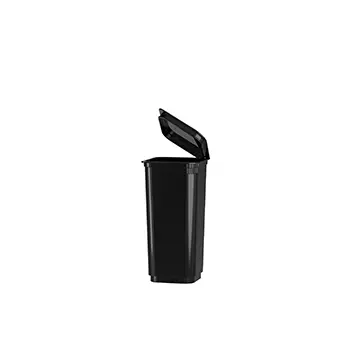
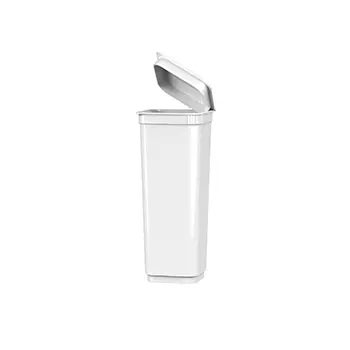
Line up two price tags and stock wins every time. A plain mylar bag or a stock jar costs a fraction of a die-cut, foil-stamped custom box. But unit price is the wrong denominator — for three reasons.
First, hidden labor. A stock package often arrives blank, so you spend on labels, stickers, or shrink bands, plus the extra handling step on your packing line. That cost lives on your floor, not on the supplier's invoice.
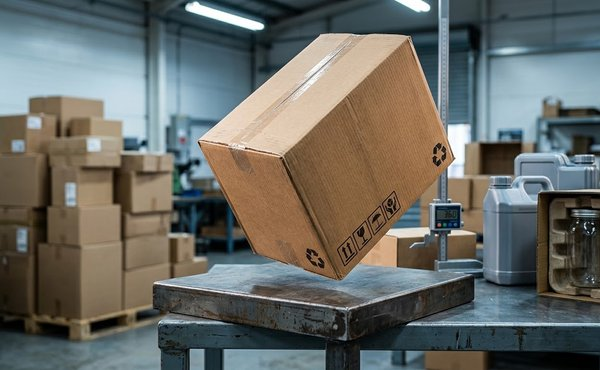
Second, hidden damage. Stock rarely matches your exact product. Oversized or undersized packaging drives breakage, returns, and waste — every broken unit is a cost the price tag never shows.
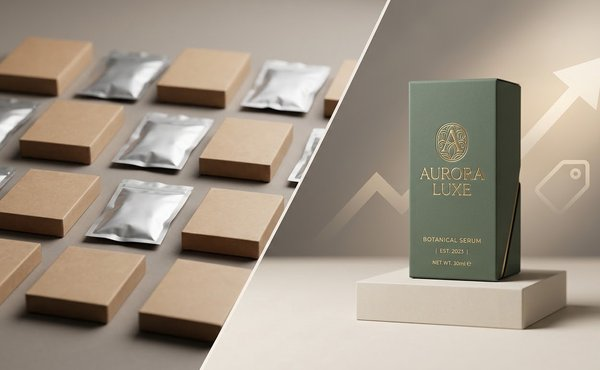
Third, hidden erosion: the marketing cost. When fifty brands ship in the same jar, you're not buying a package. You're buying your competitor's shelf visibility. That's the most expensive line item of all, because it quietly caps what you can charge.
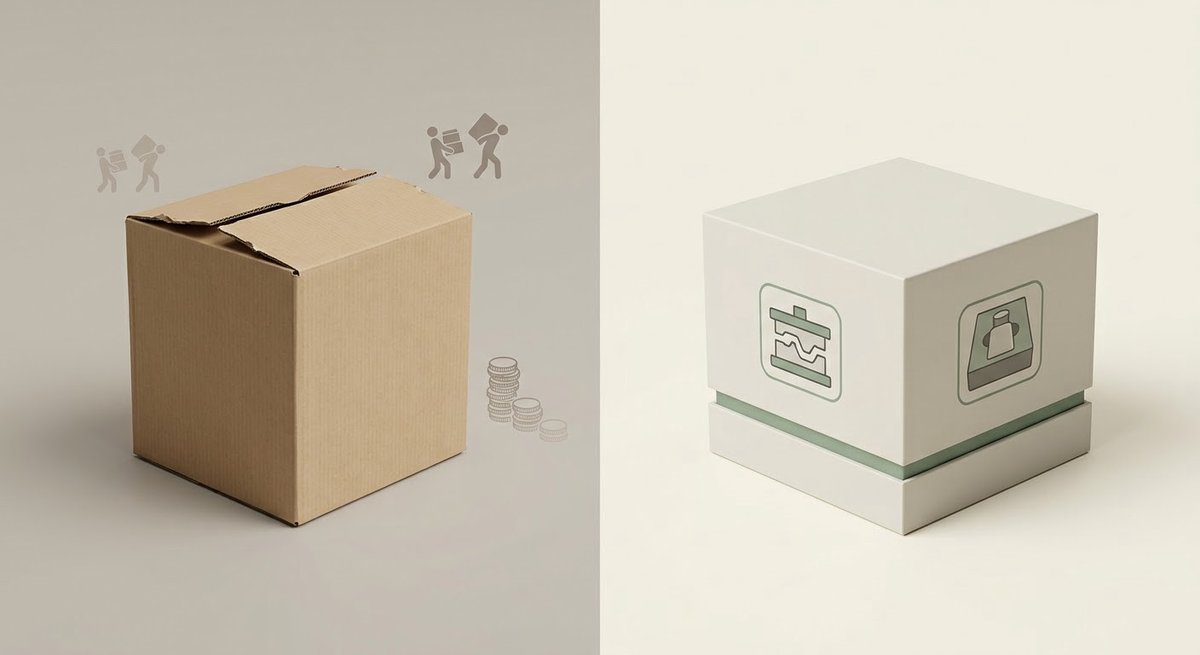
Compare Total Cost per Unit — Not Unit Price
The number that matters is total cost per unit:
Total cost = purchase price + tooling amortization + labels/handling + breakage/returns + brand-opportunity cost
Run this table once and most upgrade decisions resolve themselves:
| Cost dimension | Stock | Custom |
|---|---|---|
| Purchase price per unit | Low | Higher |
| Tooling (die / mold / plates) | None | Amortized over volume |
| Label & handling labor | Often present | Designed out |
| Breakage & returns | Higher risk | Tailored fit |
| Brand differentiation value | Near zero | Directly monetizable |
The ordering matters. Custom only looks expensive until volume amortizes the tooling — which brings us to the crossover.
The Three Reasons Custom Is Actually Worth It
You don't upgrade for the sake of it. Custom earns its premium in exactly three places.
Reason 1 — Shelf Differentiation and Recognition
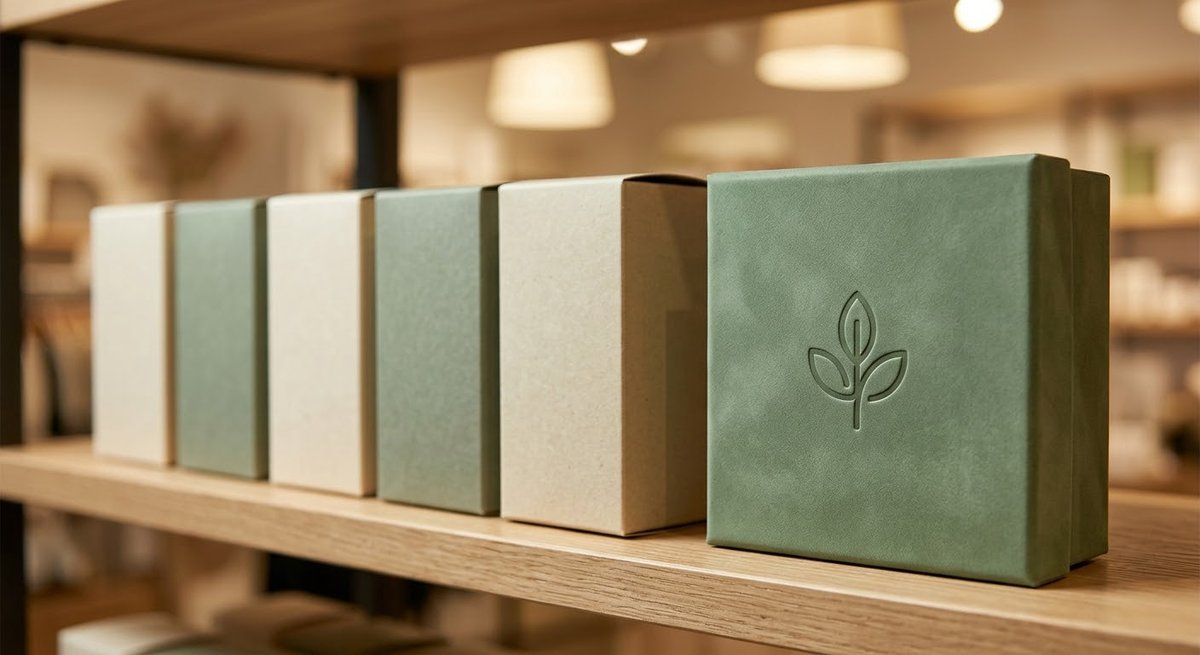
In a saturated market, the package is the first — and often the only — conversation you have with a shopper. The research is consistent: design signals drive purchase intent. When every competitor looks alike, a distinct structure or finish becomes the one thing a buyer can point at and remember.
This isn't hype. Studies on creative packaging show it measurably lifts purchase intention, especially in emotionally driven categories. Your custom pack isn't decoration. It's the tangible form of your positioning.
Reason 2 — Compliance and Functional Must-Haves
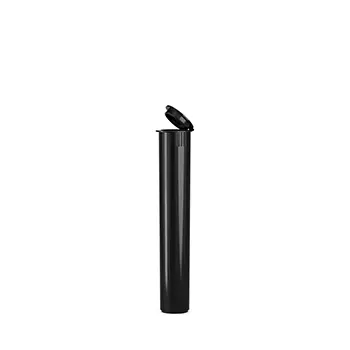
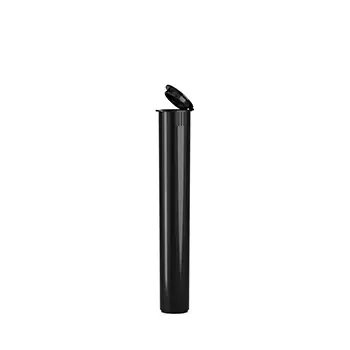
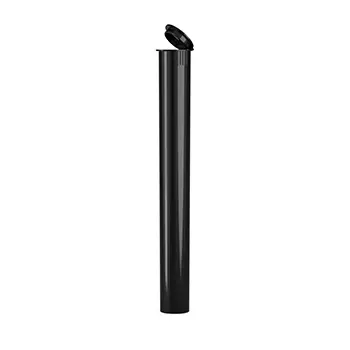
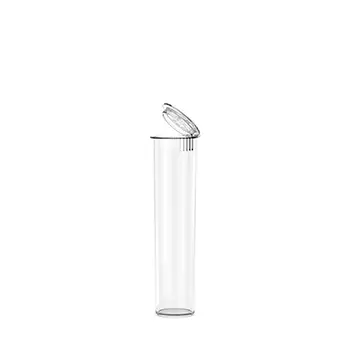
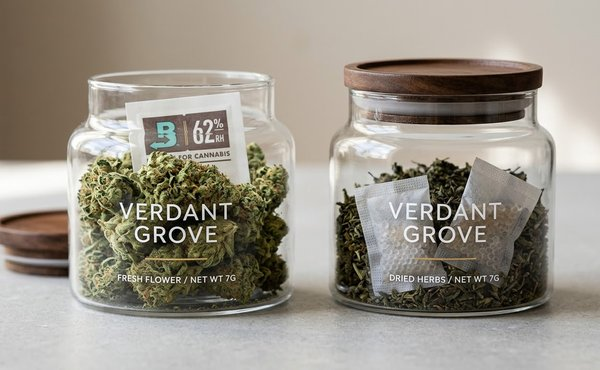
Some needs make custom non-negotiable. Child-resistant closures, an exact oxygen or moisture barrier, a precise pre-roll tube or concentrate jar dimension — these are function, not flair. If your product legally or physically requires a feature stock doesn't offer, the cost argument is already over. This is the cleanest trigger on the list: the moment a functional gap appears, upgrade stops being a decision and becomes the only compliant option.
Reason 3 — Premium Pricing and Consumer Trust
Packaging quality shifts what a customer will pay. Sensory studies show that premium materials and finishes raise perceived value — and can even shift taste and emotional response. The practical payoff: a better box supports a higher price point without a better product inside. In regulated categories, compliant, trust-building packaging converts skeptical buyers, because a flimsy generic pack quietly signals "uncertain."
Volume is capped; premium headroom isn't. Even modest per-unit savings from stock can be outweighed by the extra margin on every unit you actually sell.
Two Low-Risk Bridge Paths (When You're Not Ready to Commit)
Not every brand can fund a full custom line today — and the upgrade doesn't have to be binary. Two bridge paths capture most of the brand value with a fraction of the risk.
Bridge Path 1 — Custom Labels on Stock
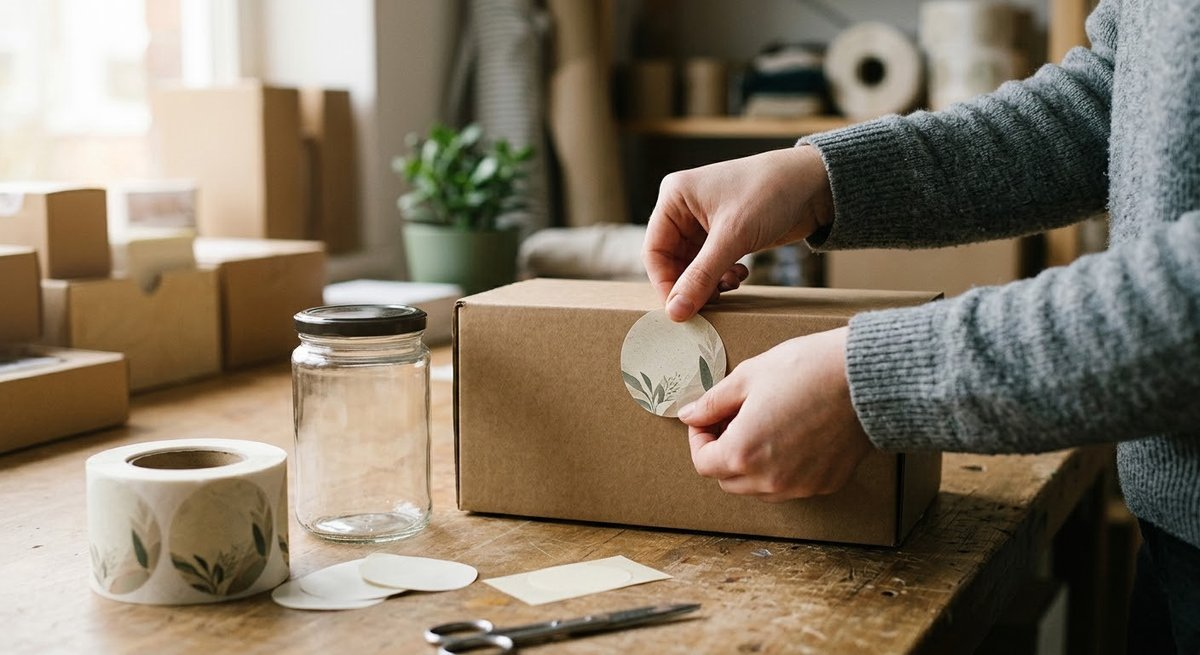
The cheapest on-ramp: keep buying stock jars, bags, or boxes, and invest in custom labels or stickers. You get immediate, unified recognition at a fraction of a full tooling investment.
- When it works: test markets, low volume, rolling out many SKUs at once, or a first multi-product launch where printing every size custom is out of reach.
- Trade-off: the container still looks like everyone's. You buy shelf presence with a label, not with structure.
Bridge Path 2 — Progressive Customization on One Hero SKU
Instead of financing the whole lineup at once, funnel the custom budget into a single best-seller. Prove the economics on one hero SKU, then roll the pattern out.
- How to pick it: the SKU with the highest volume, best reorder rate, or biggest gross-margin gap to defend.
- Why it's safer: you validate tooling amortization and sales response on one line before scaling. A miss costs you one product, not your entire packaging spend.
Both paths keep you flexible — you experiment, measure, and upgrade in the order your business justifies, not in the order a supplier's minimum order quantities force.
Three Signals: Now Is the Time to Go Custom
Practical, checkable triggers. If any one of these is true, the "should I" debate is over.
Signal 1 — Volume Crosses Your Breakeven Point
Once volume amortizes tooling enough, custom flips from premium to cheaper per unit. Rough guide:
Breakeven volume ≈ tooling cost ÷ (stock price − custom price)
If projected volume exceeds that number, staying on stock is actively losing money. It's the most objective signal on the list — do the math first.

Signal 2 — Homogeneity Is Eating Your Sales
You're losing on price, you can't tell yourself apart, and customers keep asking "what's different about you?" When differentiation is the bottleneck, custom is the cheapest fix you have — not a cost. A generic pack in a crowded category guarantees you compete on price forever.
Signal 3 — You're Scaling: Distribution, Funding, or Big Retail
Entering a major chain, closing a raise, or widening shelf presence changes the rules. Retailers like Costco impose packaging and display requirements stock often can't meet, and investors read packaging as an early signal of brand maturity. At this stage, custom stops being a growth bet and becomes a compliance and credibility requirement.
Conclusion
The upgrade question is not "whether to go custom" — it's "when, and at what cost." Start with a total cost-per-unit view, confirm the value across shelf differentiation, compliance, and premium pricing, then enter through a low-risk bridge — labels on stock, or one hero SKU — before committing fully. When volume, differentiation, or growth flips a signal, the upgrade isn't a gamble anymore. It's the natural, calculated next step.
Sources
- Effects of multisensory packaging on taste perception, emotional responses, and willingness to pay for chocolate — Scientific Reports
- The effect of creative packaging on customers' purchase intention — KCI (Korea Citation Index)
- Cost Comparison: Custom vs. Stock Packaging — Refine Packaging
- Custom vs Stock Packaging: When It Pays Off — Packaura