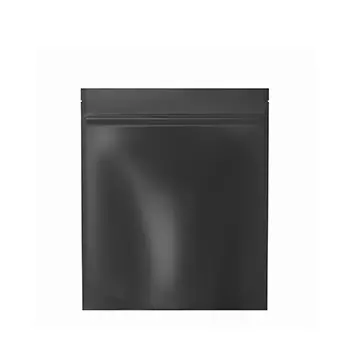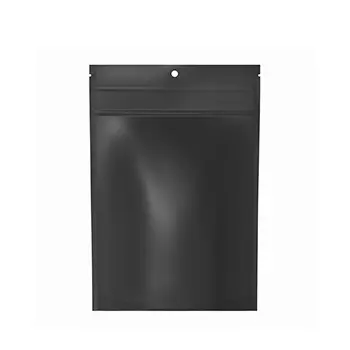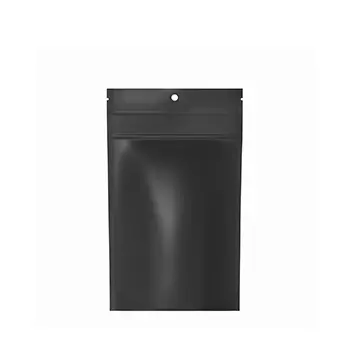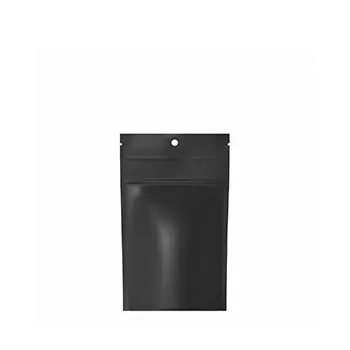
Your cannabis brand is ready to scale, but your current packaging isn't cutting it. Generic Amazon bags and basic boxes won't pass compliance audits or command premium shelf prices. Finding the right custom packaging supplier can make or break your retail distribution plans.
The cannabis packaging market has matured significantly in 2026, with dozens of suppliers claiming to offer "custom solutions." But not all suppliers are built the same. Some excel at speed but lack compliance expertise. Others offer beautiful custom printing but only handle one format type. The wrong choice costs you time, money, and potentially your regulatory standing.
Here's your complete framework for evaluating cannabis packaging suppliers and making the right decision for your brand.
Start With Child-Resistant Certification Requirements
Before comparing prices or lead times, verify that any potential supplier offers genuine child-resistant (CR) certification across their product lines. This isn't negotiable in most cannabis markets.
Look for suppliers who can provide CPSC-compliant CR certification documentation for each format you need. Many suppliers claim CR compliance but only offer it on select products or charge premium rates for certified versions.
Red flags to watch for:
Vague language about "CR-style" or "CR-compatible" packaging
Certification only available on limited formats
No clear documentation of CPSC compliance
Significant price jumps for certified versions
The best suppliers build CR compliance into their standard offerings rather than treating it as an expensive add-on. This approach keeps your costs predictable while ensuring every package meets regulatory requirements.
Evaluate Format Range and Specialization
Cannabis brands often need multiple packaging formats as their product lines expand. Flower requires different packaging than concentrates or pre-rolls. Working with multiple suppliers creates complexity, increases costs, and complicates quality control.
Compare suppliers based on their format breadth:
Essential formats to look for:
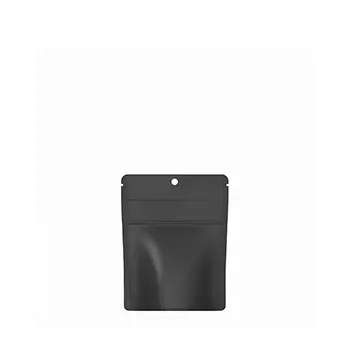
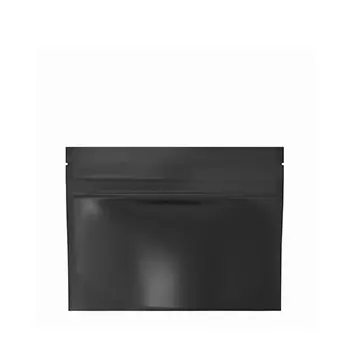
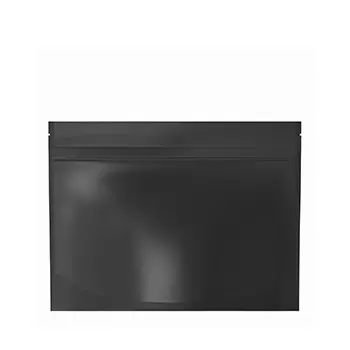
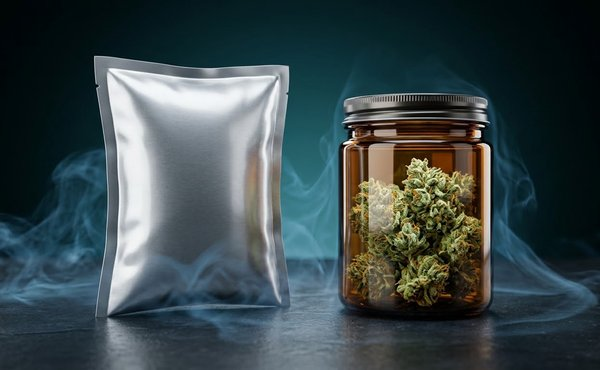
CR mylar bags in multiple sizes
Rigid folding cartons for premium presentation
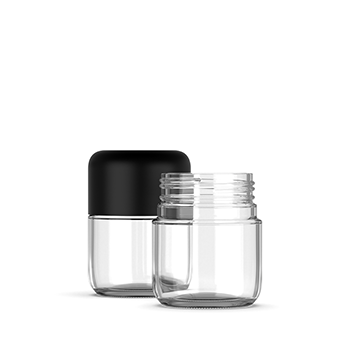
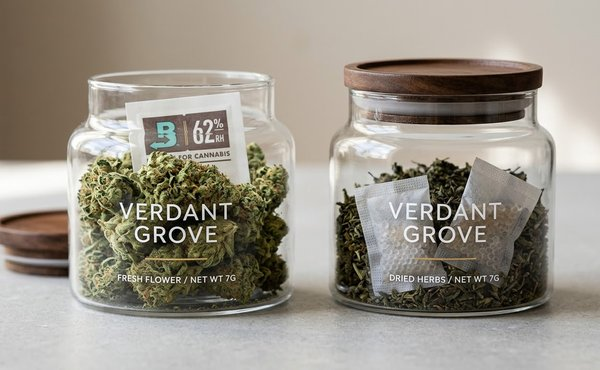
Glass jars for flower storage
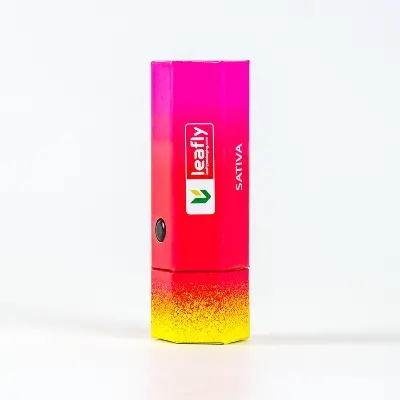
Tubes for pre-rolls and vape cartridges
Tins for concentrates and edibles
Some suppliers specialize in single formats like mylar bags only. While they might offer competitive pricing on their specialty, you'll need additional suppliers for other formats. This fragments your supply chain and often results in inconsistent branding across your product line.
Specialty formats worth considering:
Music boxes for premium gift packaging
Violet glass jars for light-sensitive products
Irregular tin shapes for brand differentiation
Custom box inserts and accessories
Suppliers offering specialty formats often have stronger manufacturing capabilities and can handle more complex custom requests.
Assess Custom Printing Capabilities
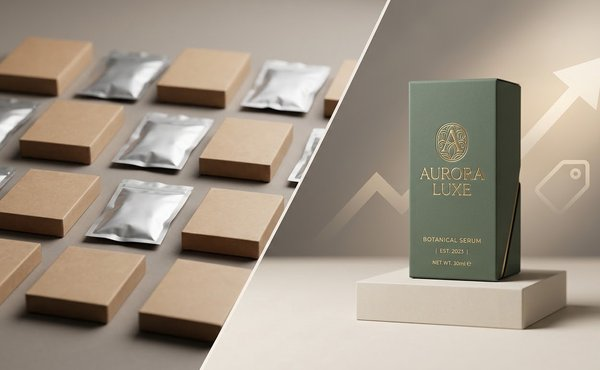
Custom printing transforms generic packaging into brand assets that drive recognition and command premium prices. But printing capabilities vary dramatically between suppliers.
Key printing factors to evaluate:
Print Quality and Techniques
Ask for physical samples showing their print quality on different materials. Look for sharp text, accurate colors, and clean graphics. Some suppliers excel at simple one-color printing but struggle with complex multi-color designs or gradients.
Design Flexibility
Can the supplier handle your existing artwork, or do they require specific file formats and limitations? The best suppliers work with your current brand assets rather than forcing you to redesign everything to fit their constraints.
Color Matching
Brand consistency requires accurate color reproduction across different materials and formats. Ask about their color matching process and whether they can maintain consistency between mylar bags and rigid boxes.
Minimum Order Quantities for Custom Printing
Some suppliers require higher MOQs for custom printing than for plain packaging. Others maintain the same MOQs across all options. This affects both your initial investment and reorder flexibility.
Compare Minimum Order Quantities and Flexibility
MOQs determine your upfront investment and inventory management strategy. Cannabis brands often start with smaller quantities and scale up as distribution grows.
MOQ considerations:
Starting quantities for new product launches
Reorder quantities for established products
Mixed format orders (can you combine different packaging types?)
Seasonal demand fluctuations
Some suppliers offer lower MOQs but at higher per-unit costs. Others require larger commitments but provide better pricing. Calculate the total cost impact, including storage and cash flow considerations.
Look for suppliers who allow mixed orders across different formats. This flexibility lets you maintain consistent branding while ordering appropriate quantities for each product type.
Analyze Lead Times and Production Scheduling
Cannabis market opportunities move fast. Delayed packaging can cost you retail placements, seasonal sales, or product launch timing.
Timeline factors to evaluate:
Standard production lead times for stock items
Custom printing timeline additions
Rush order availability and costs
Seasonal capacity constraints
Communication during production
Ask about their production scheduling process. Do they provide updates during manufacturing? Can they accommodate urgent requests? How do they handle capacity during busy periods?
The most reliable suppliers maintain buffer capacity and clear communication throughout the production process.
Review Sustainability and Material Options
Cannabis consumers increasingly value sustainable packaging. Many brands now prioritize eco-friendly options as a competitive differentiator.
Sustainability options to explore:
Biodegradable mylar alternatives
Recyclable rigid box materials
Eco-friendly printing inks
Reduced packaging waste designs
Carbon footprint considerations
Some suppliers offer comprehensive sustainability programs, while others provide limited eco-friendly options. Consider both current consumer preferences and potential future regulatory requirements around packaging waste.
Evaluate Pricing Structure and Total Costs
Packaging costs extend beyond the per-unit price. Factor in all expenses when comparing suppliers:
Complete cost analysis:
Base unit pricing at different quantities
Custom printing setup fees
Shipping costs and methods
Rush order premiums
Payment terms and discounts
Potential volume rebates
Some suppliers offer attractive base pricing but add significant fees for customization, shipping, or rush orders. Others maintain transparent, all-inclusive pricing.
Request detailed quotes for your specific requirements, including any customization needs. This provides accurate comparison data rather than relying on general pricing estimates.
Test Communication and Service Quality
Your packaging supplier becomes a crucial business partner. Poor communication creates delays, quality issues, and missed opportunities.
Service factors to assess:
Response time to initial inquiries
Technical knowledge and compliance expertise
Willingness to provide samples
Quote turnaround time
Problem resolution approach
The best suppliers act as consultative partners, offering guidance on format selection, compliance requirements, and design optimization. They understand cannabis market dynamics and can anticipate your needs as you scale.
Verify Manufacturing and Quality Standards
Consistent quality protects your brand reputation and ensures regulatory compliance. Ask potential suppliers about their quality control processes.
Quality considerations:
Manufacturing location and standards
Quality control testing procedures
Defect rates and replacement policies
Compliance documentation and tracking
Sample approval processes
Request references from other cannabis brands when possible. While suppliers may not share specific client names, they should be able to provide general references or case studies demonstrating their cannabis industry experience.
Making Your Final Decision
After evaluating suppliers across these criteria, create a weighted scoring system based on your priorities. A startup launching its first product might prioritize low MOQs and fast turnaround. An established brand expanding into new markets might value format range and sustainability options more highly.
Decision framework:
Eliminate suppliers who don't meet your non-negotiable requirements (CR certification, format needs, etc.)
Score remaining suppliers on each evaluation criterion
Weight scores based on your business priorities
Factor in total cost of ownership, not just unit pricing
Consider long-term partnership potential as you scale
The right supplier becomes a strategic partner supporting your growth rather than just a vendor fulfilling orders.
Your Next Steps
Finding the right cannabis packaging supplier requires careful evaluation, but the investment pays dividends through better compliance, stronger branding, and operational efficiency.
Start by defining your specific requirements across formats, quantities, and timeline. Then systematically evaluate potential suppliers using this framework. Don't rush the decision – the wrong choice creates expensive problems down the road.
Ready to explore your custom packaging options? Browse our complete catalog of CR-certified formats and request a quote to see how we can support your brand's growth. Learn more at leaflypackaging.com.