Table of Contents
Cannabis brands face a unique challenge: meeting strict Child-Resistant Packaging requirements while staying true to sustainability values. Your customers increasingly expect eco-friendly practices, but regulatory compliance can't be compromised. The good news? You don't have to choose between protecting the environment and protecting children.
Why Eco-Friendly Cannabis Packaging Matters
Consumer demand for sustainable cannabis packaging continues growing in 2026. Studies show that 73% of cannabis consumers consider environmental impact when choosing brands. This shift affects purchasing decisions across all demographics, but particularly resonates with younger consumers who drive market growth.
Beyond consumer preference, sustainability offers practical business benefits. Eco-friendly packaging often reduces shipping costs due to lighter materials. Many sustainable options also provide better product protection, reducing waste from damaged inventory.
Environmental responsibility also helps differentiate your brand in crowded markets. While competitors rely on standard plastic packaging, sustainable materials signal quality and forward-thinking values.
Child-Resistant Certification Requirements
Before exploring eco-friendly options, you need to understand child-resistant (CR) certification requirements. All cannabis packaging must pass standardized tests proving children under five cannot easily open containers while remaining accessible to adults.
CR certification applies to the complete packaging system, not just individual components. This means sustainable materials must integrate with child-resistant mechanisms without compromising safety performance.
The certification process typically takes 4-6 weeks and requires specific testing protocols. Materials must maintain their CR properties throughout their intended shelf life, which affects material selection for biodegradable options.
Biodegradable Cannabis Bag Options
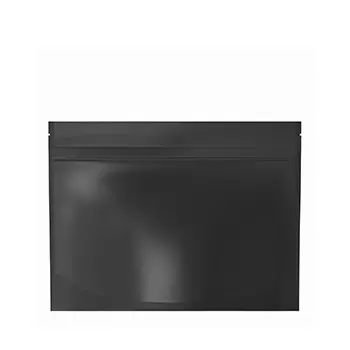
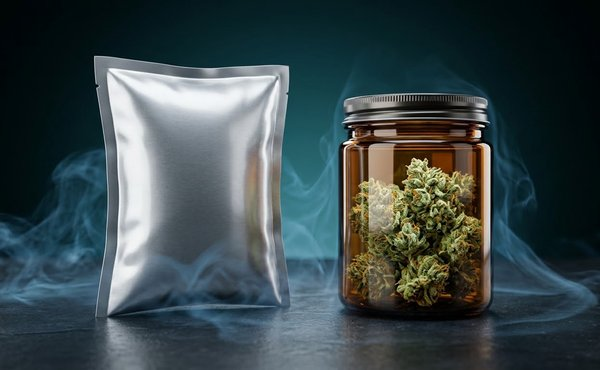
Biodegradable mylar bags represent the most accessible entry point for sustainable cannabis packaging. These bags break down naturally within 12-18 months under proper composting conditions while maintaining the barrier properties needed for cannabis storage.
Modern biodegradable films offer moisture and oxygen protection comparable to traditional plastic. They accept custom printing with eco-friendly inks, ensuring your branding remains vibrant while supporting sustainability goals.
When selecting biodegradable bags, verify they maintain child-resistant properties throughout their biodegradation timeline. Some materials lose structural integrity too quickly for reliable CR performance.
Heat-sealable biodegradable options work with existing packaging equipment, minimizing operational changes. This compatibility makes switching to sustainable materials more practical for growing brands.
Recycled Material Packaging Solutions
Recycled content packaging offers another path toward sustainability without sacrificing compliance. Post-consumer recycled (PCR) materials can comprise 25-75% of packaging content while maintaining necessary performance standards.
Folding cartons made with recycled paperboard provide excellent printing surfaces for brand graphics. These boxes accept various closure mechanisms that achieve child-resistant certification while using significantly less virgin material.
Recycled plastic components work well for rigid packaging formats like jars and containers. The material maintains durability and barrier properties while reducing environmental impact compared to virgin plastics.
When sourcing recycled materials, ensure suppliers provide documentation of recycled content percentages. This transparency helps communicate sustainability efforts to environmentally conscious consumers.
Compostable Packaging Formats
Compostable cannabis packaging breaks down completely in commercial composting facilities, leaving no harmful residues. These materials typically decompose within 90-180 days under proper conditions.
Plant-based films derived from corn starch or sugarcane offer promising alternatives to traditional plastics. They provide adequate barrier properties for many cannabis products while supporting circular economy principles.
Compostable options work particularly well for single-use applications like pre-roll tubes or small quantity flower packaging. The shorter contact time reduces concerns about material degradation affecting product quality.
However, compostable materials require careful handling and storage. They can begin breaking down in high-humidity environments, potentially affecting packaging integrity before use.
Glass Packaging for Sustainability
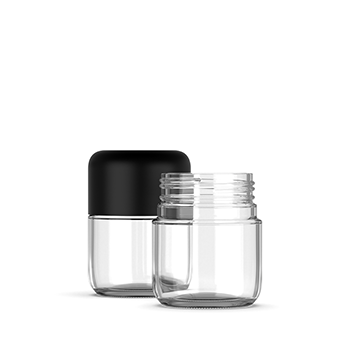
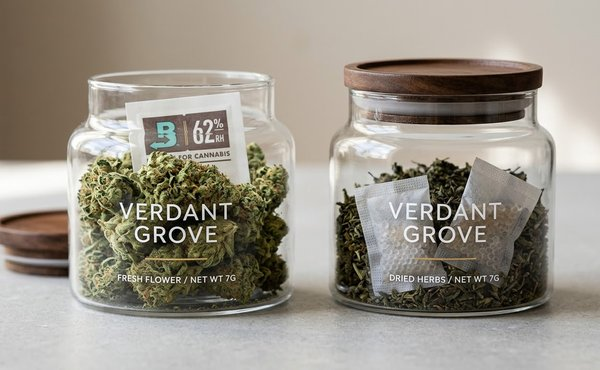
Glass containers offer the ultimate in sustainable cannabis packaging. They're infinitely recyclable, provide superior product protection, and create premium shelf appeal that supports higher price points.
Violet glass jars filter harmful light wavelengths while allowing beneficial frequencies to pass through. This natural protection extends product shelf life without chemical additives, appealing to health-conscious consumers.
Child-resistant glass packaging combines sustainable materials with reliable safety performance. Glass containers accept various CR closure types, from push-and-turn caps to squeeze-and-turn mechanisms.
While glass requires higher upfront investment, the premium positioning often justifies increased costs. Many brands find glass packaging supports 15-25% higher retail prices compared to plastic alternatives.
Cost Considerations for Green Packaging
Sustainable packaging typically costs 10-30% more than conventional alternatives, but this premium continues decreasing as production scales increase. The investment often pays dividends through brand differentiation and customer loyalty.
Volume purchasing helps reduce sustainable packaging costs. Ordering larger quantities of biodegradable bags or recycled containers spreads tooling costs across more units, improving per-unit economics.
Consider total cost of ownership, not just material costs. Lighter sustainable materials reduce shipping expenses, while premium positioning enables higher margins that offset increased packaging costs.
Many sustainable materials also reduce waste disposal costs. Compostable packaging eliminates plastic waste streams, while recyclable options may qualify for waste reduction incentives in some markets.
Balancing Sustainability with Brand Appeal
Sustainable packaging doesn't require sacrificing visual appeal. Modern eco-friendly materials accept high-quality custom printing that showcases your brand effectively.
Soy-based and vegetable inks provide vibrant colors while maintaining environmental credentials. These inks work well on recycled and biodegradable substrates, ensuring consistent brand presentation across sustainable packaging formats.
Consider highlighting sustainability features in your packaging design. Simple callouts like "Made with 50% Recycled Content" or "Compostable Material" communicate values without overwhelming your primary branding.
Texture and finish options for sustainable materials continue expanding. Soft-touch coatings, embossed patterns, and specialty finishes help sustainable packaging feel as premium as traditional alternatives.
Ready to explore sustainable packaging options for your cannabis brand? Leafly Packaging offers biodegradable and eco-friendly alternatives across our complete range of child-resistant formats. Our team helps you balance environmental responsibility with regulatory compliance while maintaining the premium appeal your brand deserves.
FAQs
What makes cannabis packaging truly eco-friendly?Eco-friendly cannabis packaging uses materials that biodegrade, compost, or contain significant recycled content while maintaining child-resistant certification. Look for third-party certifications like ASTM D6400 for compostable materials or specific recycled content percentages.
Do biodegradable bags maintain child-resistant properties?Yes, properly designed biodegradable bags can achieve child-resistant certification. The key is ensuring the material maintains structural integrity throughout its intended use period while still biodegrading under proper composting conditions.
How much more do sustainable packaging options cost?Sustainable cannabis packaging typically costs 10-30% more than conventional alternatives. However, volume purchasing, reduced shipping costs, and premium positioning often offset this initial investment.
Can glass packaging be child-resistant?Absolutely. Glass containers work with various child-resistant closure mechanisms, including push-and-turn caps and squeeze-and-turn systems. Glass offers superior product protection while being infinitely recyclable.
What's the difference between biodegradable and compostable packaging?Biodegradable materials break down naturally over time, while compostable materials break down completely in commercial composting facilities within specific timeframes (typically 90-180 days) without leaving harmful residues.
Do eco-friendly materials affect product freshness?Modern sustainable packaging materials provide barrier properties comparable to traditional plastics. Properly selected eco-friendly options maintain product freshness while supporting environmental goals.
How do I verify packaging sustainability claims?Look for third-party certifications like BPI certification for compostable materials, recycled content documentation from suppliers, and specific material composition details rather than vague "eco-friendly" claims.
Conclusion
Sustainable cannabis packaging no longer requires choosing between environmental responsibility and regulatory compliance. Biodegradable bags, recycled materials, compostable options, and glass containers all offer paths toward greener packaging while maintaining child-resistant certification.
The key lies in understanding your specific needs and selecting materials that balance sustainability, compliance, and brand appeal. Start with one product line to test sustainable options, then expand based on customer response and operational experience.
Learn more about eco-friendly packaging solutions at leaflypackaging.com and discover how sustainable materials can strengthen your brand while protecting both children and the environment.