How to Select the Right Cartridge Packaging for Your Product
Cartridge packaging does much more than hold a product. It protects the cartridge, communicates the value of your brand, supports regulatory compliance, and shapes the customer's first impression.
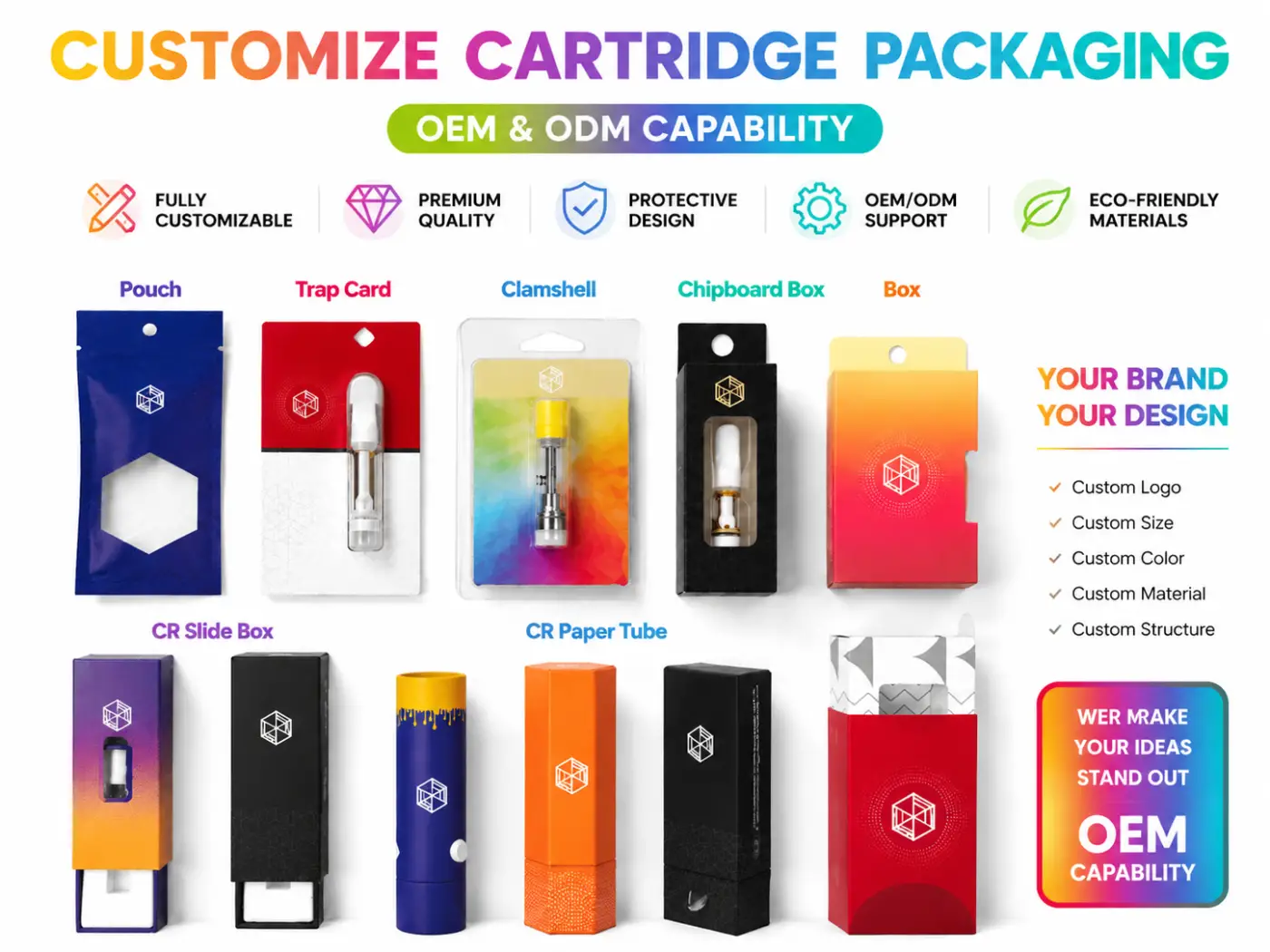
With options such as pouches, trap cards, clamshells, chipboard boxes, slide boxes, and paper tubes, how do you choose the right format?
Here are the key factors to consider.
1. Start with product protection
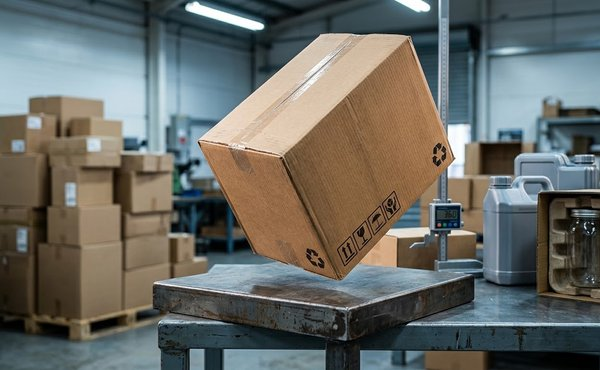
A cartridge can be vulnerable to impact, dust, moisture, and movement during shipping or retail handling. Your packaging should keep it securely positioned from production to final use.
Consider:
Does the cartridge require a fitted insert?
Could it move or rattle inside the package?
Is additional protection needed during transportation?
Does the package need to be resealable or tamper-evident?
Clamshells offer good product visibility and structural protection, while slide boxes and chipboard boxes can use custom inserts to hold the cartridge securely.
2. Understand your sales channel
Packaging that works well for e-commerce may not be the best option for a retail display.
For physical retail, features such as hanging holes, clear windows, and compact dimensions can improve display flexibility. Trap cards, clamshells, and pouches are often suitable for hanging displays.
For e-commerce, durability and efficient use of space may be more important. Boxes and paper tubes can offer a stronger presentation while helping protect the product during delivery.
3. Match the packaging to your brand position
Packaging immediately influences how customers perceive a product.
A printed pouch can create a lightweight, modern, and cost-effective presentation. A trap card or clamshell provides clear product visibility. A rigid slide box can produce a more premium unboxing experience, while a paper tube offers a distinctive shape that stands out on the shelf.
Think about the message your packaging should communicate:
Simple and accessible
Bold and colorful
Natural and environmentally conscious
Technical and reliable
Luxurious and premium
The structure, colors, printing, finish, and opening experience should all support the same brand story.
4. Consider customization opportunities
The right format should provide enough space for branding and essential product information.
Customization options may include:
Custom dimensions and structural design
Full-color printing
Matte or gloss finishes
Foil stamping or spot effects
Embossing or debossing
Die-cut windows
Custom inserts
QR codes and variable information
Before selecting a package, determine how much space you need for your logo, product details, instructions, warnings, and other required information.
5. Review compliance and safety requirements
Packaging requirements can vary by product category and target market. Depending on where the product will be sold, you may need specific warnings, tamper-evident features, child-resistant functionality, batch information, or other labeling.
These requirements should be considered at the beginning of the packaging design process. Adding them later can affect the structure, artwork, production schedule, and cost.
Always confirm the applicable rules for your product and sales region before production.
6. Balance appearance with budget
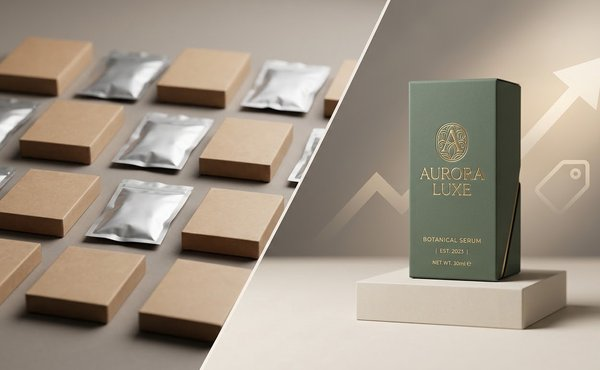
Premium packaging can create greater perceived value, but the most expensive option is not always the best one.
When comparing costs, look beyond the unit price. Consider:
Minimum order quantity
Tooling and setup costs
Custom inserts
Assembly time
Storage space
Shipping weight and volume
Potential product damage
A simple package that is attractive, protective, and efficient may deliver more value than a complex structure that is expensive to assemble and transport.
7. Think about sustainability
Customers and brands are paying more attention to packaging materials and waste.
Possible approaches include reducing unnecessary material, selecting recyclable paper-based structures, avoiding oversized packaging, and designing components that are easier to separate.
Paper tubes and chipboard boxes can support a paper-focused presentation, while lightweight pouches may reduce material use and shipping weight. The best choice depends on the complete package, including inserts, coatings, adhesives, and local recycling systems.
Comparing Popular Cartridge Packaging Options
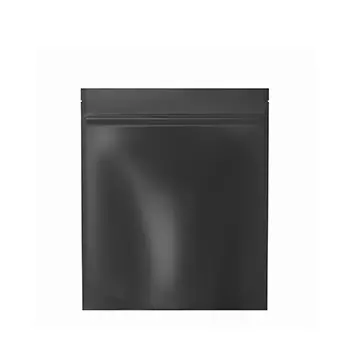
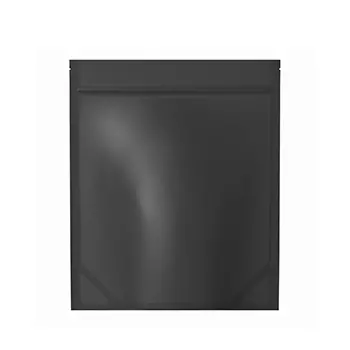
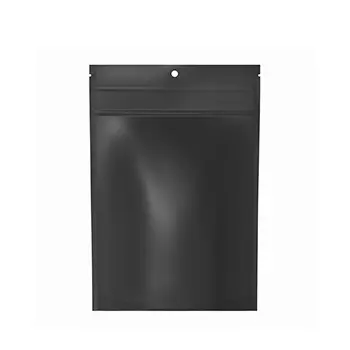
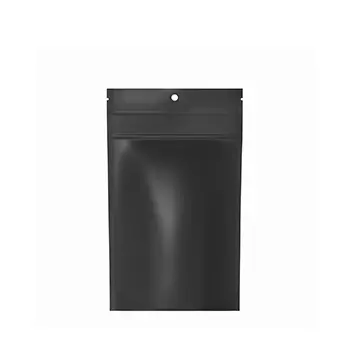
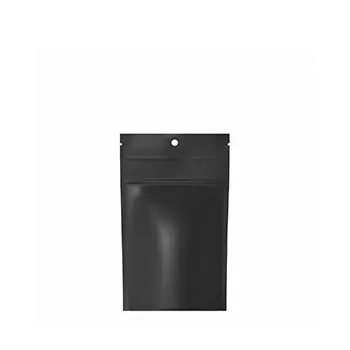
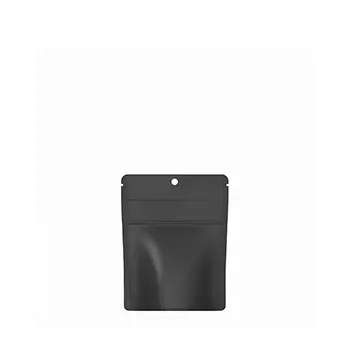
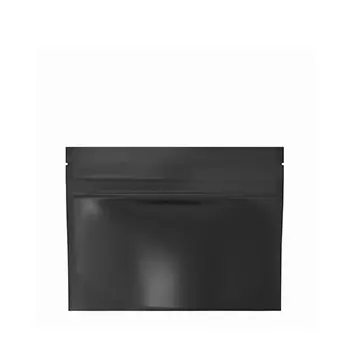
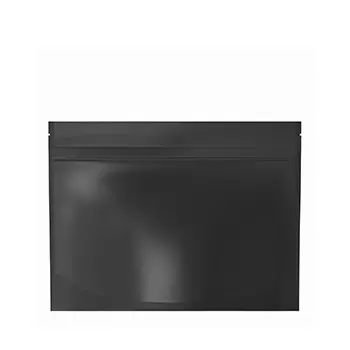
Pouch: Lightweight, space-efficient, and suitable for colorful custom printing.
Trap card: Offers strong branding space and is convenient for hanging retail displays.
Clamshell: Provides product visibility and good protection in a familiar retail format.
Chipboard box: Versatile, printable, and suitable for both standard and premium designs.
Slide box: Creates a structured presentation and a more memorable opening experience.
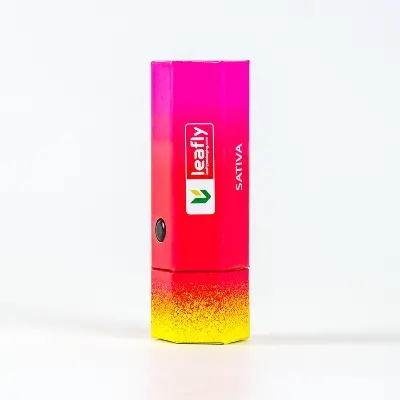
Paper tube: Delivers a distinctive shape, strong shelf presence, and a premium feel.
Final Thoughts
The best cartridge packaging is not simply the most attractive option. It is the format that balances protection, compliance, branding, customer experience, sustainability, and total cost.
Before making a final decision, ask three questions:
Does the packaging protect the cartridge throughout its journey?
Does it meet the practical and regulatory needs of the target market?
Does it communicate the right value for the brand?
By answering these questions early, you can select packaging that works for the product, the customer, and the business.
Which cartridge packaging format best represents your brand?