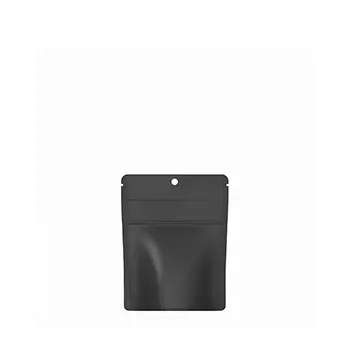
Introduction — Why child-resistant vape packaging matters
Electronic cigarettes, flavored liquids, and compact disposable vapes are visually appealing and often compact—attributes that regrettably make them attractive to children. Packaging that is easy for adults to open but difficult for young children to access is a fundamental risk-mitigation measure and regulatory requirement in many markets. The Chinese phrase Child-resistant vape packaging box precisely targets that intersection: packaging engineered with child-resistant (CR) features for vape products.
Beyond compliance, CR packaging reflects corporate responsibility, protects brands from costly incidents, and often becomes a commercial differentiator in regulated markets. Below we unpack designs, materials, tradeoffs, market realities, and the compliance requirements you’ll meet when selling in major markets like the United States, the EU, and others.
Chapter 1 — What is child-resistant (CR) vape packaging and how it works
1.1 Definition and mechanics
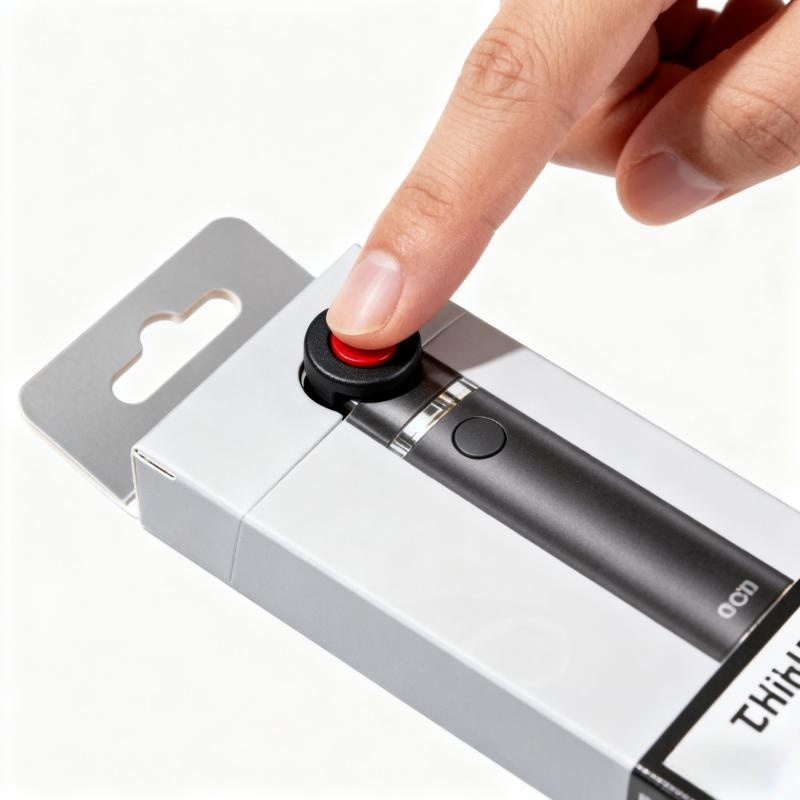
Child-resistant packaging is designed to significantly reduce the likelihood that young children (commonly tested against children under 5 years old) can open the package quickly. Typical mechanisms use a combination of:
Two-step actions (e.g., press + slide, align + twist).
Increased opening force or specific directional force that is easy for adults but difficult for small children.
Hidden tabs or recessed latches that require fine motor skills.
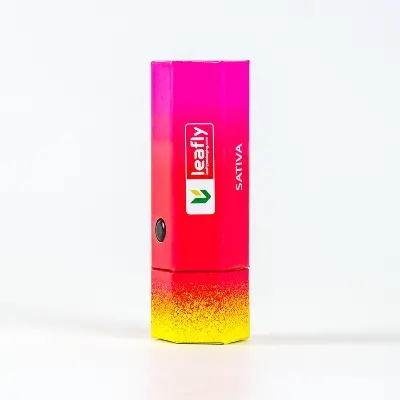
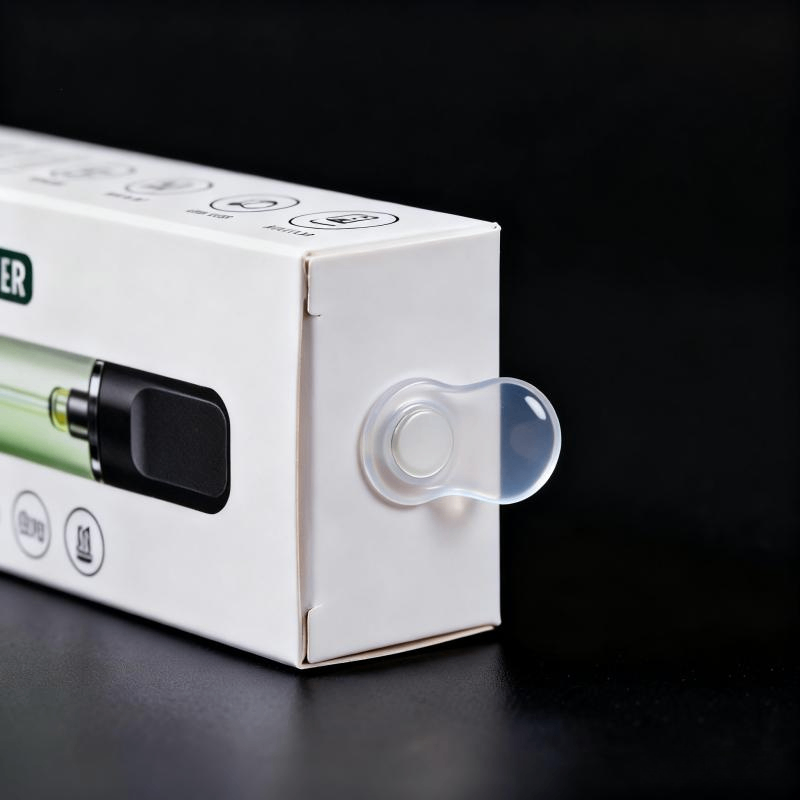
For vape boxes, CR mechanisms are integrated into the carton or plastic enclosure so that the packaging still performs as a protective, displayable retail unit while adding resistance to accidental opening.
1.2 Standards and testing
Reliable CR packaging aligns with recognized standards (for reference: ISO 8317 and other regional protocols). In regulated markets, third-party testing and documented results often form part of regulatory submissions or retailer onboarding. Brands must keep test reports, production drawings, and quality control procedures in their compliance dossier.
1.3 Printing and finishing techniques commonly used
Producing a functional, attractive CR vape box requires the right combination of structure and finishing. Typical print/finish options include:
Offset (litho) printing — ideal for white card, high-resolution graphics, and full-color brand imagery.
Screen printing — commonly used on plastic components (PET, PP) to achieve durable inks and special finishes.
Hot foil stamping — for premium accents (gold/silver) that elevate shelf presence.
Film lamination (matte/gloss) and UV varnish — protective and tactile finishes that help withstand handling.
Embossing/debossing — brand texture cues while keeping structural integrity.
Choosing finishes must account for the CR mechanism: excessively rigid or thin laminates can reduce hinge flexibility or make snap features brittle, so prototyping is essential.
Chapter 2 — Five mainstream CR vape packaging types (detailed)
2.1 Round PET CR box (side opening)
Structure & opening: Cylindrical or rounded PET enclosure with side press/rotate latch. Transparent body showcases the product while a mechanical clip or living hinge adds CR resistance.
Visuals & suitability: High transparency for product visibility; modern tech aesthetic — common for disposable vapes and compact pod systems.
2.2 Oval PP CR box (side opening)
Structure & opening: Opaque or translucent polypropylene shell with push-and-slide or squeeze-release side latch.
Visuals & suitability: Soft hand feel, durable, and great for mid-to-high tier devices where tactile experience matters.
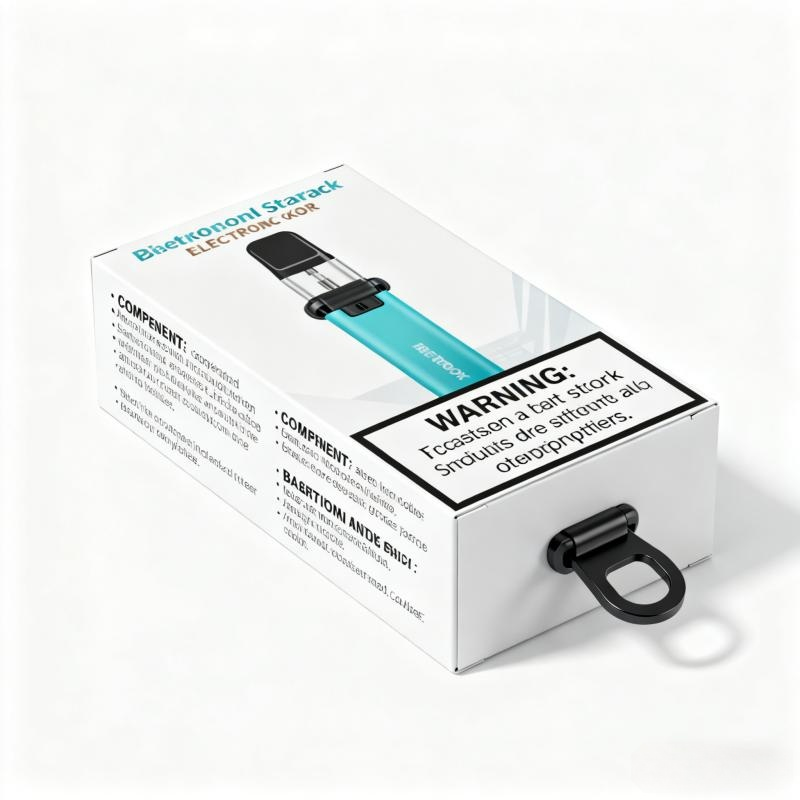
2.3 White folding carton (cardboard) CR box — side opening
Structure & opening: Engineered paperboard with internal tabs, double-locks or hidden tongue features to create required opening resistance.
Visuals & suitability: Best printing fidelity, cost effective and eco-friendly options; ideal for branded starter kits and multi-pack cartridges.
2.4 White folding carton CR box — back opening
Structure & opening: Back-flap or tear-resistant tab that conceals the opening mechanism. Often used for small consumable accessories.
Visuals & suitability: Clean front panel for branding and warnings; good choice for blister or tray inserts (e.g., pods, e-liquid vials).
2.5 Oval PP CR box (back opening)
Structure & opening: Combines PP robustness with a concealed rear latch requiring precise pressure points or a coordinated push action.
Visuals & suitability: Strong sealing characteristics — preferred when product leakage or oxidation protection is a concern (e.g., nicotine salt cartridges).
Chapter 3 — Which type is best? Pros & cons comparison
3.1 Comparative overview
| Type | Cost | Protection | Printability | Recyclability | Best for |
|---|---|---|---|---|---|
| Round PET (side) | Higher | Good (visual) | Limited on plastic | Recyclable (depends on local facilities) | Disposable vapes, visual display |
| Oval PP (side/back) | Medium-High | Very good (durable) | Moderate (screen print) | Recyclable (PP stream) | Premium devices, durable cases |
| White card (side/back) | Low-Medium | Good (if engineered) | Excellent | High (recyclable/compostable) | Mass market kits, eco-brands |
3.2 Deep dive — advantages and trade-offs
Round PET (side): Excellent for product visibility and a tech-forward look. The trade-off is higher material cost and potentially weaker impact resistance than PP. Fingerprint visibility can be an issue on clear PET.
Oval PP (side/back): Sturdier and forgiving of drops — PP is forgiving and recyclable. It offers superior mechanical durability for repeat handling but prints less crisply than paperboard.
White card (side/back): Best value for full-color branding and sustainability messaging. However, paper is more susceptible to moisture and long-term wear; internal structural reinforcements are recommended for repeated openings.
3.3 How to choose
If your priority is brand presentation and shelf appeal, consider PET or premium printed paperboard.
If the priority is durability and repeat handling, PP is usually the best fit.
If you prioritize cost and sustainability, white card with engineered CR features is an excellent compromise.
Chapter 4 — Materials and indicative market pricing
4.1 Core material characteristics
PET (Polyethylene terephthalate): Clear, high gloss, good barrier and display capability; commonly used for showcase packaging.
PP (Polypropylene): Tough, impact resistant, comfortable hand feel; widely used for reusable or protective enclosures.
Paperboard (white card): Highly printable, recyclable, and cost-effective; ideal for high-volume retail packaging.
4.2 Indicative price ranges (for reference only)
Note: packaging prices vary significantly with order quantity (MOQ), prints/finishes, tooling, and global material markets. The ranges below are illustrative and should be confirmed with quotes.
White card CR folding carton: roughly low to mid range per unit at large volumes (indicative only).
Plastic shells (PET/PP) with CR mechanisms: generally higher per unit due to molding/tooling and assembly complexity.
For accurate budgeting, request factory quotes inclusive of artwork, die lines, CR mechanism tooling, and third-party testing. Many suppliers, including experienced partners like Leafly, will provide prototype samples prior to production to validate fit, opening force, and print quality.
Chapter 5 — Global compliance map: where vape sales are supported or banned
5.1 Markets with established regulatory frameworks (examples)
Countries and regions with mature regulatory structures typically require product registration, labeling, child-resistant packaging, ingredient disclosure, and limits on marketing. Examples include the United Kingdom, many EU member states, Canada, and New Zealand. These markets enforce CR packaging expectations and clear labeling rules.
5.2 Countries with strict bans or very limited allowance
Certain jurisdictions restrict or ban sales and/or imports of e-cigarettes. These laws may cover sales, advertising, possession, or importation. If you plan to export, verify each target country’s current legal status and customs requirements, since enforcement and penalties vary widely.
5.3 “Gray zone” markets and policy volatility
Many countries fluctuate between permissive and restrictive positions. Political decisions, public health campaigns, or trade shifts can change the legal landscape quickly. Engage local counsel or experienced compliance consultants for market entry.
Chapter 6 — How the global vape market is segmented
6.1 Product categories
Closed systems / Pod systems — standardized pods, often subject to strict packaging and labeling.
Open systems — refillable devices and e-liquids (packaging must address child safety for liquid containers).
Disposable vapes — single-use devices with integrated batteries; often sold in multi-packs.
Heat-not-burn (HNB) — a related but distinct category with its own packaging and regulatory considerations.
6.2 Regional dynamics
North America: Large commercial market with active innovation and strict oversight.
Europe: Harmonized frameworks (TPD-style in many states) with strong labeling and packaging controls.
Asia-Pacific: Fragmented – some high growth markets, some strict bans.
Emerging markets: Selective demand, but rapid change—monitor closely.
Chapter 7 — China → US trade: scale and strategic importance
Manufacturers in China supply a large portion of global vape hardware and many consumables. The United States represents a pivotal market for many exporters due to its market size, innovation leadership, and premium price tiers. Succeeding in the U.S. often requires stronger compliance documentation and investment in child-resistant production techniques, labeling, and application processes.
For Chinese exporters, aligning production, materials selection, and CR test reports with U.S. and retailer expectations is essential to avoid customs holds or marketplace delistings.
Chapter 8 — Selling vapes in the United States: key rules you must know
8.1 Regulatory bodies
The primary federal authority is the U.S. Food and Drug Administration (FDA), supported by state and local laws. Retailers and platforms (online marketplaces) also impose packaging and testing requirements.
8.2 Essential compliance pillars
Product authorization (PMTA or equivalent): Market entry for many products requires pre-market submissions demonstrating that the product is appropriate for the protection of public health. This is a technical, document-heavy process.
Child-resistant packaging: CR packaging is a baseline expectation; test reports and manufacturing controls are commonly requested by regulators and retailers.
Labeling and advertising controls: Health warnings, ingredient information, and restrictions on youth-targeted messaging are enforced.
8.3 Practical compliance tips
Maintain complete test dossiers for CR packaging (design drawings, materials, third-party test reports).
Prototype early and test actual opening forces with representative panels (adults and children testing follows formal protocols).
Record batch production data and QC checks for CR mechanisms to demonstrate consistent performance.
Understand and plan for state-level variations (e.g., flavor bans or additional taxes).
Chapter 9 — Frequently asked questions (FAQ)
Q1: Does child-resistant packaging guarantee children will never open a package?
No packaging can offer a 100% guarantee. CR packaging is designed to significantly reduce the probability and increase the time and effort required to open a package. Compliance testing is statistical in nature and seeks to demonstrate that a design meets accepted safety thresholds.
Q2: Which CR type is best for European markets?
Europe prioritizes documented CR performance and clear labeling. White card (with engineered tabs) and PP solutions are commonly accepted; the key is validated testing and conformity with EU requirements.
Q3: What is a typical MOQ for CR packaging?
MOQ varies by supplier, complexity, and tooling needs. Paperboard CR cartons often have lower MOQs than custom plastic shells. Typical ranges often start in the low thousands for custom runs, but consult your packaging partner for exacts.
Q4: How do I test CR packaging?
Contract with accredited labs that follow recognized protocols. Tests will assess ease of opening by children and accessibility by adults and produce a formal report for regulatory or retailer review.
Q5: Can CR packaging be made eco-friendly?
Yes. Paperboard CR designs with recyclable materials and minimal coatings are common. For plastics, using recycled PP or designing for recyclability can reduce environmental impact. Balance between CR performance and sustainability goals must be validated in prototypes and tests.
Conclusion — Takeaways & next steps
Designing compliant, attractive, and practical 防童扣电子烟包装盒 requires coordination across engineering, materials science, printing, and regulatory strategy. There is no one-size-fits-all solution: your product type, target market, price tier, and sustainability goals should determine the material and CR mechanism.
Working with an experienced packaging partner reduces risk. A competent partner will provide prototyping, test coordination, and production controls to ensure consistent CR performance along with appealing brand presentation.
Action: If you’re preparing to export vape products or re-design packaging for regulated markets, assemble: 1) a prototype, 2) a CR test plan, and 3) compliance documentation. These three elements are critical to getting products onto store shelves and online marketplaces.Contact Leafly for a free consultation & prototype quote
Legal & commercial disclaimer: This article provides general information, not legal advice. Regulatory environments change—always verify current rules with official authorities or a qualified compliance advisor before market entry.