Table of Contents
Cannabis brands entering regulated markets face a maze of compliance requirements. Among the most critical is Child-Resistant Packaging — a federal safety standard that can make or break your ability to sell legally. Understanding what CR certification means and how it works protects your business from costly violations while keeping products safe.
Understanding Child-Resistant Packaging
Child-Resistant Packaging is designed to be significantly difficult for children under five years old to open while remaining accessible to adults. The Consumer Product Safety Commission (CPSC) sets the federal standards that define what qualifies as child-resistant, creating a uniform safety benchmark across all regulated industries.
For cannabis brands, CR packaging isn't optional. Most state regulations require it for flower, concentrates, edibles, and other cannabis products. The packaging must meet specific performance criteria tested under controlled conditions with real children and adults.
The key principle behind child-resistant design is creating a barrier that requires coordination, strength, or cognitive ability that young children typically haven't developed. This might involve push-and-turn caps, squeeze-and-pull mechanisms, or multi-step opening sequences.
How CPSC Testing Protocol Works
The CPSC testing protocol uses a two-phase approach to determine if packaging meets child-resistant standards. Understanding this process helps you select packaging that will actually pass certification.
Phase One: Child Testing
Fifty children between 42 and 51 months old attempt to open the package during two five-minute periods. The children receive no instruction during the first period, then minimal demonstration during the second. For the package to pass, at least 85% of children must fail to open it.
Phase Two: Adult Testing
One hundred adults between 50 and 70 years old must successfully open and close the package. At least 90% must complete both actions to demonstrate the package remains accessible to adults who may have reduced dexterity.
This dual requirement ensures packages protect children without creating barriers for legitimate adult consumers. The testing uses standardized protocols that packaging manufacturers must follow exactly to achieve certification.
Types of Child-Resistant Packaging
CR certification applies across multiple packaging formats, each using different mechanisms to achieve child resistance. Cannabis brands can choose from several certified options depending on their product type and branding needs.
Push-and-Turn Caps
Common on glass jars and plastic containers, these caps require simultaneous downward pressure and rotation. The coordination needed typically exceeds young children's motor skills while remaining intuitive for adults.
Squeeze-and-Pull Mechanisms
Often found on mylar bags and flexible packaging, these closures require pinching specific areas while pulling apart. The dual action and required grip strength create an effective barrier for children.
Sliding and Locking Systems
Rigid boxes and cartons may use sliding panels or locking tabs that require specific sequences to open. These systems can accommodate custom printing while maintaining CR compliance.
Multi-Step Processes
Some packaging combines multiple actions — like lifting a tab, sliding a panel, then pulling apart sections. The complexity creates child resistance while allowing creative design freedom.
CR Certification Requirements for Cannabis
Cannabis packaging faces stricter requirements than many other industries. Most states mandate CR packaging for all cannabis products, with specific performance standards that go beyond basic CPSC compliance.
State-Level Variations
While CPSC standards provide the foundation, individual states may add requirements. Some mandate opaque packaging to prevent product visibility. Others specify labeling requirements or maximum package sizes. Your packaging must meet both federal CR standards and state-specific regulations.
Product-Specific Considerations
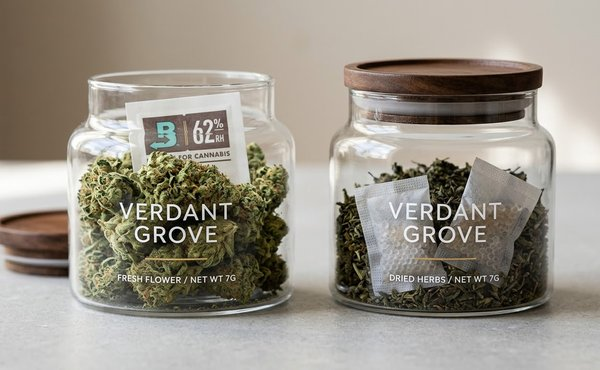
Different cannabis products may need different CR approaches. Flower requires breathable packaging that maintains freshness while meeting CR standards. Concentrates need containers that prevent product loss while remaining child-resistant. Edibles may require additional barriers beyond the primary package.
Documentation Requirements
CR certification requires extensive documentation proving compliance. This includes test reports from approved laboratories, material specifications, and quality control procedures. Maintaining proper documentation protects your business during regulatory inspections.
Working with a packaging supplier that understands cannabis-specific requirements streamlines compliance. At Leafly Packaging, we provide CR-certified options across all major formats with the documentation needed for regulatory approval.
Benefits Beyond Compliance
Child-Resistant Packaging offers advantages that extend beyond meeting legal requirements. These benefits can improve your brand's market position and customer relationships.
Brand Protection
CR packaging demonstrates responsibility and professionalism to regulators, customers, and partners. It shows your brand takes safety seriously, building trust with stakeholders who value compliance and consumer protection.
Insurance and Liability
Many insurance providers require CR packaging for cannabis coverage. Proper packaging reduces liability exposure and may lower insurance costs. It also provides legal protection if safety incidents occur.
Market Access
Some retailers and distributors only work with brands using certified CR packaging. Compliance opens doors to premium retail channels that might otherwise be closed to your products.
Consumer Confidence
Adult consumers appreciate packaging that keeps products away from children while remaining easy to use. CR packaging can become a selling point that differentiates your brand from competitors using generic solutions.
Choosing the Right CR Packaging Format
Selecting appropriate CR packaging depends on your product characteristics, brand positioning, and target market. Each format offers different advantages for specific use cases.
Mylar Bags for Flower and Edibles
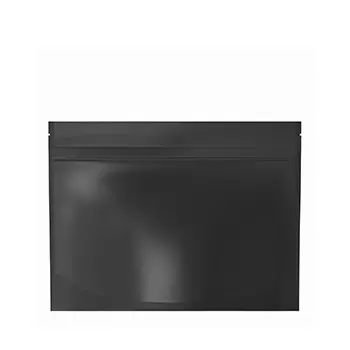
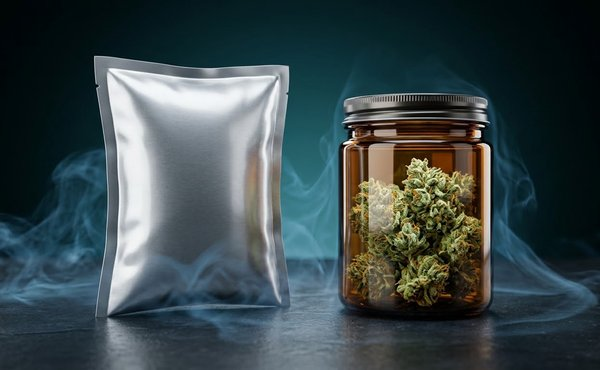
CR mylar bags provide excellent barrier properties for flower while meeting child-resistant requirements. They offer full custom printing capabilities and work well for products that need flexible packaging. The squeeze-and-pull mechanisms integrate seamlessly with bag designs.
Glass Jars for Premium Products
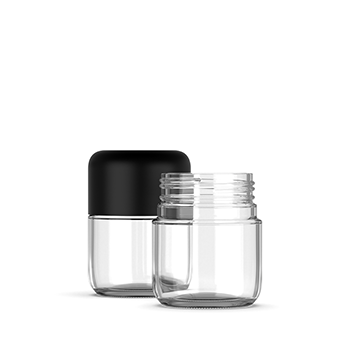
Child-resistant glass jars position products as premium while providing excellent product protection. Push-and-turn caps maintain the premium feel while meeting CR standards. These work particularly well for craft flower and high-end concentrates.
Rigid Boxes for Gift Sets
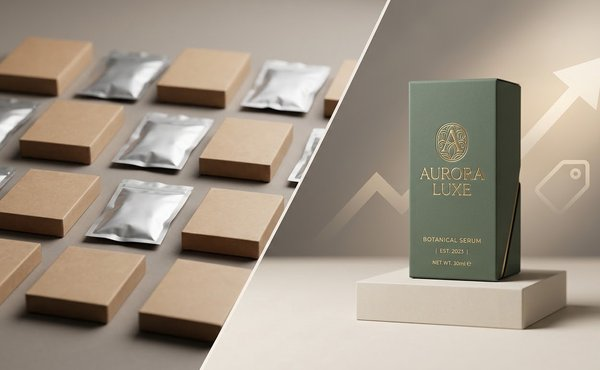
CR-certified folding cartons and rigid boxes accommodate multiple products or create gift-worthy presentations. Sliding mechanisms and locking tabs can integrate with sophisticated designs that enhance brand perception.
Tubes for Pre-Rolls
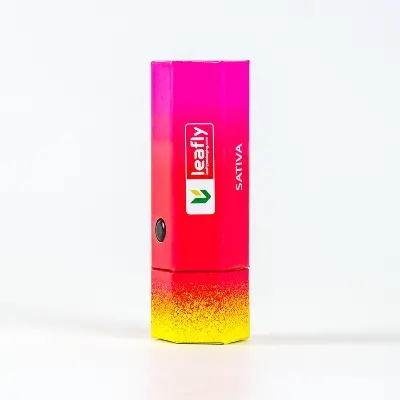
Specialized CR tubes protect pre-rolls while meeting safety requirements. Pop-top mechanisms or twist-lock systems provide child resistance without compromising product integrity.
The key is matching packaging format to product needs while ensuring CR compliance doesn't compromise your brand presentation. Custom printing allows you to maintain brand identity across any CR-certified format.
FAQs
What does CR certification actually test for?CR certification tests whether children under five can open the package and whether adults can use it normally. The testing uses specific protocols with real children and adults to ensure packages meet both safety and accessibility requirements.
Do all cannabis products need Child-Resistant Packaging?Most states require CR packaging for all cannabis products, including flower, concentrates, edibles, and pre-rolls. Some states have exceptions for certain product types or sale locations, but CR packaging is generally mandatory.
Can I use regular packaging if I add warning labels?No, warning labels alone don't satisfy CR requirements. The packaging itself must pass CPSC testing protocols to qualify as child-resistant. Labels are typically required in addition to, not instead of, CR packaging.
How long does CR certification take?CR testing typically takes 4-8 weeks depending on the testing laboratory and package complexity. The process includes both child and adult testing phases, documentation review, and certification issuance.
Can CR packaging be customized with my brand design?Yes, most CR packaging formats support full custom printing and branding. The child-resistant mechanism is separate from the visual design, allowing complete customization while maintaining compliance.
What happens if my packaging fails CR testing?Failed packages require design modifications and retesting. Common issues include mechanisms that are too easy for children or too difficult for adults. Working with experienced packaging suppliers reduces the risk of testing failures.
Are there different CR standards for different states?While CPSC provides federal standards, states may add specific requirements like opacity, labeling, or size restrictions. Your packaging must meet both federal CR standards and state-specific regulations where you sell.
Conclusion
Child-Resistant Packaging represents both a compliance requirement and a business opportunity for cannabis brands. Understanding CR certification helps you select packaging that protects your business while supporting your brand goals.
The right CR packaging combines safety, compliance, and brand presentation in formats that work for your specific products. From CR mylar bags to rigid boxes, certified options exist for every cannabis product type and brand positioning.
Ready to explore CR packaging options for your cannabis brand? Learn more at leaflypackaging.com and discover how custom CR packaging can protect your business while building your brand.